
Jan 12, 2026
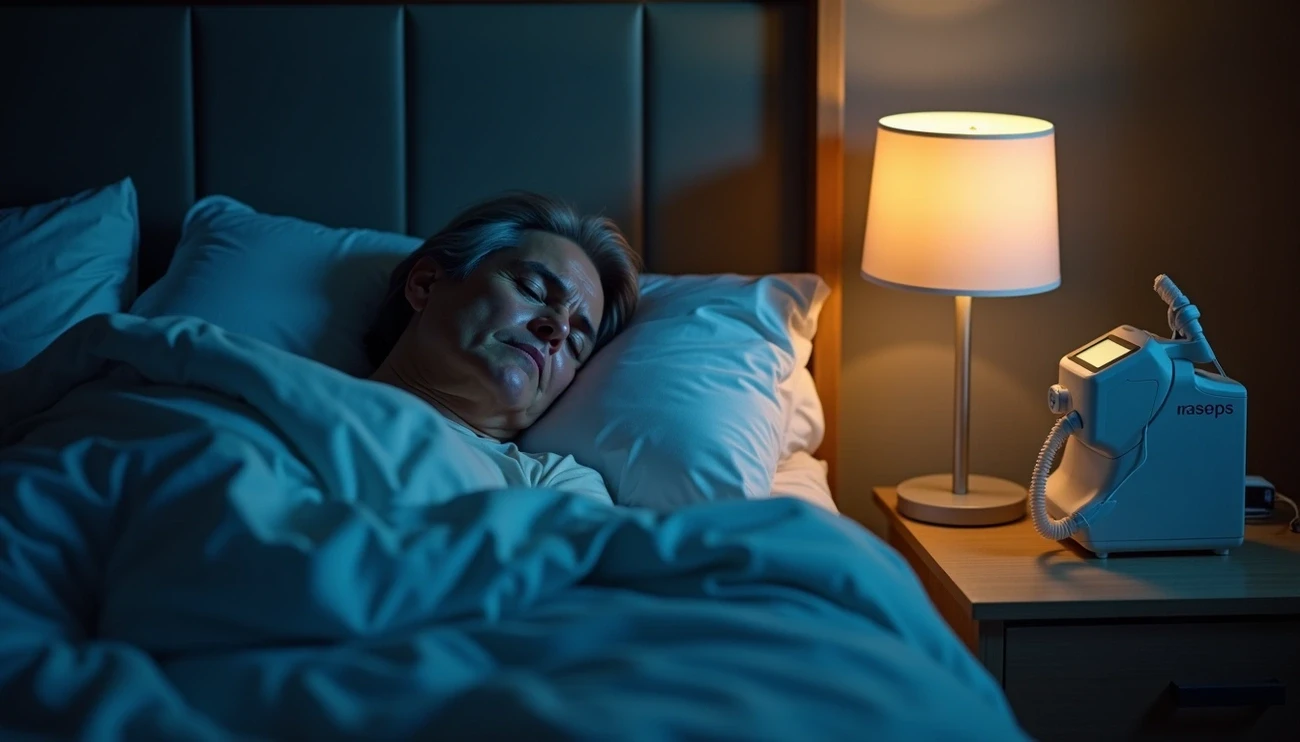
Sleep apnea affects an estimated one billion people worldwide between ages 30 to 69 [1], yet a staggering 80% of the 30 million Americans with this condition remain undiagnosed [10]. This widespread underdiagnosis creates a critical blind spot in mental health practice.
Treatment-resistant depression catches your attention first. Persistent anxiety follows close behind. Cognitive dysfunction that fails to respond to standard interventions rounds out the pattern. Sleep apnea might be the missing piece in these clinical puzzles.
This sleep disorder involves repeated breathing lapses during sleep [10], activating survival reflexes that disrupt normal sleep patterns [1]. Untreated sleep apnea contributes to high blood pressure, heart disease, and impaired daytime focus [10]. These physiological disruptions directly affect your patients' mental health outcomes.
Severity classifications help frame the clinical picture. Mild cases involve 5-14 breathing events per hour, while severe cases exceed 30 events per hour [1]. Obesity significantly increases risk—over 20% of obese individuals develop sleep apnea compared to just 3% of those with normal weight [10].
This guide provides practical knowledge to recognize sleep apnea's clinical signs. You'll understand the diagnostic journey from unspecified sleep apnea (G47.30) to confirmed obstructive sleep apnea (G47.33). Most importantly, you'll learn to adapt your therapeutic approach when this physiological disruptor interferes with mental health treatment.
Diagnostic Codes: Clinical Roadmap Through Sleep Apnea Assessment
Sleep apnea diagnostic codes represent more than administrative requirements. These codes mark critical waypoints in your patient's clinical journey. The progression through G47.3x codes mirrors the evolution of understanding your patient's condition, from initial suspicion to definitive diagnosis.
Mental health practitioners encounter these conditions embedded within psychiatric presentations. Understanding this diagnostic progression helps guide your clinical decisions.
G47.30: Sleep Apnea, Unspecified – Your Clinical Starting Point
G47.30 serves as your diagnostic placeholder when sleep apnea is suspected but not yet confirmed through formal testing. This "unspecified" designation indicates that you've identified potential sleep apnea without determining its specific type [10].
Common clinical presentations that warrant this code include excessive daytime sleepiness, witnessed breathing pauses during sleep, morning headaches, or difficulty concentrating [10].
Apply G47.30 in these mental health scenarios:
Initial assessment reveals disrupted sleep and daytime fatigue
Family members describe loud snoring or breathing interruptions
Treatment-resistant depression or anxiety with prominent sleep disturbance
Before formal sleep testing has been completed
This code functions as your "clinical suspicion placeholder." It acknowledges a potential sleep-related breathing disorder requiring further investigation. G47.30 is billable and specific in the ICD-10-CM system, allowing proper documentation while awaiting definitive diagnosis [10].
G47.33: Obstructive Sleep Apnea – Confirmed Diagnosis
Sleep study completion typically advances G47.30 to G47.33 (Obstructive Sleep Apnea) for most patients. OSA occurs when the upper airway becomes repeatedly blocked during sleep, causing breathing pauses [2].
Polysomnography represents the diagnostic gold standard. This comprehensive test monitors heart, lung and brain activity, breathing patterns, limb movements, and blood oxygen levels [13].
OSA confirmation requires five or more obstructive events per hour demonstrated on sleep study [2]. Severity classification depends on event frequency:
Mild: 5-14 events per hour
Moderate: 15-29 events per hour
Severe: 30+ events per hour
Mental health practitioners must understand this diagnosis since untreated OSA can exacerbate or mimic psychiatric symptoms. Certain medications commonly prescribed in mental health practice—particularly sedatives—may worsen respiratory events in patients with OSA [2].
G47.31 and G47.39: Central and Complex Apnea Variants
Obstructive sleep apnea dominates clinical practice, yet two other variants require attention: central sleep apnea (G47.31) and complex sleep apnea (often coded as G47.39).
Central sleep apnea (CSA) differs fundamentally from OSA. Rather than airway obstruction, CSA involves failure of respiratory drive—the brain temporarily fails to signal breathing muscles [13]. This condition accounts for approximately 5% of sleep study diagnoses [12]. Risk factors include heart failure, stroke, atrial fibrillation, chronic renal failure, and opioid medication use [13].
Complex sleep apnea syndrome (CompSAS), typically coded under G47.39 (Other sleep apnea), represents a hybrid condition. These patients initially present with obstructive events, but develop persistent central apneas once treated with continuous positive airway pressure (CPAP) [12]. Treating the obstruction unmasks an underlying central breathing regulation problem. CompSAS prevalence ranges from 0.56% to 18% depending on study populations [12].
These distinctions matter significantly in mental health contexts.
Treatment approaches differ dramatically. CPAP effectively treats OSA, while patients with central or complex apnea often require alternative therapies such as adaptive servo-ventilation (ASV) or bilevel positive airway pressure (BPAP) [2].
Psychiatric medications—especially opioids and benzodiazepines—can worsen central sleep apnea by suppressing respiratory drive [13]. This creates potential treatment conflicts when managing patients with both psychiatric conditions and these apnea variants.
Understanding these diagnostic nuances improves coordination with sleep specialists. When referring patients for evaluation, specify concerns about possible central components (irregular breathing patterns, heart failure history, opioid use). This information helps guide their assessment approach and treatment selection.
Sleep Apnea's Hidden Role in Psychiatric Presentations
Sleep apnea frequently disguises itself within common mental health conditions. This creates diagnostic confusion and treatment resistance that can persist for months or years. Recognizing these presentations helps you identify when physiological disruption underlies psychological symptoms.
Mood Symptoms: Depression That Doesn't Respond
Sleep apnea demonstrates a striking bidirectional relationship with depression. Patients with major depressive disorder are five times more likely to have OSA [2]. Conversely, individuals with sleep apnea show a 1.36-fold increased likelihood of developing depression [2]. Depressive symptoms appear in approximately 35% of OSA patients [2].
Atypical depression shows particularly strong connections to sleep apnea. This subtype carries a 3.09 times higher risk of OSA in young adults, even after adjusting for body mass index, gender, and cardiometabolic conditions [6]. Atypical depression—characterized by hypersomnia, increased appetite, and leaden paralysis—often resists standard antidepressants when sleep apnea remains untreated.
Partners provide valuable diagnostic insights. They report significant improvements in patients' emotional state following CPAP treatment, alongside decreased anxiety and depression in themselves [7]. Ask about partner observations during your assessment.
Anxiety Patterns: Nocturnal Panic Episodes
Sleep apnea creates distinct anxiety patterns that differ from primary anxiety disorders. Nocturnal panic represents the most striking manifestation—sudden awakening with racing heart, sweating, and gasping for air [8]. Approximately 70% of patients with panic disorder experience these nocturnal episodes [8].
The physiological mechanism connects OSA directly to panic responses. Breathing interruptions trigger autonomic arousal, activating fight-or-flight responses that create sensations identical to panic attacks [9]. Intermittent hypoxia and increased carbon dioxide levels during apneas directly trigger panic sensations [9].
Research confirms this connection. Individuals with OSA face 2.17 times higher risk of developing panic disorder compared to those without OSA [1]. CPAP treatment reduces panic attacks and decreases anti-anxiety medication requirements [1].
Cognitive Impairments: Executive Dysfunction Masquerading as ADHD
Cognitive dysfunction represents one of sleep apnea's most overlooked psychiatric manifestations. OSA impacts three primary cognitive domains:
Executive Function: Deficits in working memory, phonological fluency, cognitive flexibility, and planning [10]. Patients struggle organizing tasks, completing multi-step procedures, or adapting to new situations.
Attention: Impairments in sustained, selective, and divided attention are common [10]. This creates difficulties maintaining focus during therapy sessions or completing assignments.
Memory: Both verbal and visuo-spatial episodic memory suffer [10], though immediate recall may remain intact.
Intermittent hypoxia causes structural brain changes, particularly in the hippocampus [10]. Neuroimaging studies confirm these morphological changes correspond to specific cognitive deficits [10].
These cognitive issues often mimic ADHD or mild cognitive impairment but fail to respond to standard treatments. Men with OSA in their 50s face six times higher risk for cognitive impairment [2].
Therapy-Interfering Behaviors: When Physiology Mimics Resistance
Untreated sleep apnea creates behavior patterns that undermine therapeutic progress. Chronic fatigue and excessive daytime sleepiness result in missed appointments, reduced session engagement, and poor follow-through on therapeutic tasks.
Individuals with sleep apnea report using mental health services more frequently than those without the condition [13]. However, they also report higher rates of unmet mental health needs [13]. They seek help but don't receive adequate benefit—a hallmark of unrecognized OSA interfering with treatment.
OSA creates a frustrating cycle. Patients attempt to engage in treatment but fail due to physiological limitations beyond their control. This manifests as apparent resistance, low motivation, or being labeled "difficult patients" when the underlying cause remains unaddressed.
Recognizing these patterns allows you to shift perspective. Instead of viewing these behaviors as psychological resistance, understand them as manifestations of a treatable medical condition. This redirects your therapeutic approach toward addressing the physiological foundation.
Sleep Apnea Screening: Practical Tools for Mental Health Practice
Systematic sleep apnea screening represents a critical component of psychiatric assessment. Untreated sleep apnea frequently undermines mental health treatment outcomes. Structured screening protocols yield substantial clinical benefits with minimal time investment.
STOP-BANG Questionnaire: Your 3-Minute Diagnostic Tool
The STOP-BANG questionnaire combines remarkable simplicity with diagnostic power. This 8-item assessment pairs four self-reportable questions (STOP) with four demographic factors (BANG) [12]:
Snoring: "Do you snore loudly (loud enough to be heard through closed doors)?"
Tiredness: "Do you often feel tired, fatigued, or sleepy during daytime?"
Observed apnea: "Has anyone observed you stop breathing during sleep?"
Pressure: "Do you have or are being treated for high blood pressure?"
BMI greater than 35 kg/m²
Age over 50 years
Neck circumference larger than 40 cm (16 inches)
Gender: male
STOP-BANG delivers exceptional sensitivity in mental health settings. A cutoff score of 3 or higher demonstrates over 90% sensitivity for detecting moderate to severe OSA [2]. This high sensitivity translates to an impressive 91% negative predictive value for severe OSA, making it an excellent rule-out tool [2].
Risk interpretation follows three clear categories:
Low risk: 0-2 "yes" responses
Intermediate risk: 3-4 "yes" responses
High risk: 5-8 "yes" responses or 2+ STOP questions plus male gender, BMI >35, or neck circumference >40cm [13]
Research confirms the questionnaire's validity across diverse clinical settings, including psychiatric practices [2]. This 2-3 minute screening represents one of the highest-yield interventions for identifying physiological disruptors of mental health treatment.
G47.30 Documentation: Creating Your Clinical Paper Trail
The unspecified sleep apnea code (G47.30) serves a vital function in psychiatric documentation. This code creates a diagnostic placeholder acknowledging clinical suspicion before formal testing. Use G47.30 when:
STOP-BANG scores indicate intermediate or high risk (≥3 points)
Patients or partners report characteristic symptoms (gasping, choking, witnessed apneas)
Physical examination reveals relevant findings (obesity, large neck circumference)
Treatment-resistant symptoms suggest possible underlying sleep-disordered breathing
G47.30 documentation accomplishes multiple clinical objectives. First, it establishes a formal record of your sleep apnea suspicion. Second, it creates medical necessity for sleep study referrals. Third, it alerts other providers to consider this physiological factor when prescribing medications.
Critical Safety Note: G47.30 documentation helps protect against prescribing sedating medications to patients with undiagnosed sleep apnea. Your documentation should explicitly note this risk consideration when sedative-hypnotics or benzodiazepines are under consideration.
Documentation Templates That Work
Effective referral documentation includes three key components: suspicion rationale, relevant findings, and specific requests. Here's proven language:
"Sleep study referral requested based on STOP-BANG score of 6/8, indicating high risk for obstructive sleep apnea. Patient reports excessive daytime fatigue, difficulty concentrating, and morning headaches. Partner notes loud snoring and observed breathing pauses during sleep. Please evaluate for sleep-disordered breathing, as symptoms may be contributing to treatment-resistant depression. Results will guide medication management decisions, particularly regarding sedating agents." [14]
For psychiatric progress notes, acknowledge pending evaluation:
"Assessment includes provisional diagnosis of unspecified sleep apnea (G47.30) based on clinical presentation and screening results. Sleep medicine referral placed. Will defer initiation of sedating medications pending sleep study results due to potential respiratory risks. Discussed with patient the possible impact of sleep-disordered breathing on mood and cognitive symptoms."
Post-evaluation documentation should reference findings:
"Sleep study results received, confirming obstructive sleep apnea (G47.33), moderate severity with AHI of 22. Will coordinate treatment approach with sleep medicine, including consideration of how CPAP therapy may impact psychiatric symptoms."
Adapting Therapy During the Diagnostic Window
Sleep apnea suspicion creates a critical therapeutic opportunity. You've identified potential sleep-disordered breathing and initiated referrals. Sleep study results won't arrive for weeks or months. This waiting period demands strategic clinical adjustments rather than maintaining standard approaches.
Simplifying Session Structure for Cognitive Limitations
Suspected sleep apnea taxes your patient's mental resources. Cognitive load represents the total mental effort required for information processing in working memory [15]. Sleep deprivation and intermittent oxygen drops further strain these already limited resources.
Adjust your sessions accordingly:
Shorten session duration or incorporate breaks when attention wanes. Patients with suspected sleep apnea tire more quickly during mentally demanding activities [16].
Provide written summaries of key session points. Memory consolidation typically suffers with disrupted sleep patterns.
Limit complex conceptual work requiring sustained concentration during this phase.
Structure sessions more explicitly with clearer frameworks that reduce unnecessary mental effort [17].
Research confirms that reducing extraneous cognitive load improves learning efficiency [17]. Presenting one concept at a time rather than multiple concepts simultaneously reduces cognitive load measurements by 0.55 on standardized scales [17]. Apply this principle to therapy—match your interventions to your patient's temporarily reduced cognitive resources.
Sleep-Focused Behavioral Activation
Behavioral activation offers an excellent therapeutic approach during this pre-diagnosis phase. Unlike complex therapeutic models, BA uses a flexible, straightforward framework encouraging positive, meaningful activities [3]. The approach requires minimal cognitive effort while producing meaningful clinical improvements.
Redirect your BA focus toward sleep-supporting behaviors:
Establish consistent sleep-wake schedules, including weekends [18]
Create calming pre-sleep routines with relaxation activities [19]
Limit caffeine after mid-afternoon and avoid alcohol near bedtime [19]
Optimize sleep environment: dark, cool, and quiet [19]
Clinical research shows two-thirds of patients using personalized sleep hygiene recommendations report continued benefits after one month [19]. BA also breaks the cycle where sleep anxiety creates further sleep disturbances [3].
Key advantage: BA requires minimal professional training for therapists and remains easily understood by cognitively compromised patients [3]. This approach maintains therapeutic momentum while addressing potential sleep dysfunction.
Sleep Study Education: Supporting Brain Function
Frame the sleep study process to maximize patient engagement. Avoid presenting the study as merely "ruling out" a medical condition. Position it as understanding how their brain functions during sleep.
Effective education includes:
Explaining deep sleep's role in resetting and balancing mood-influencing neurotransmitters like serotonin and dopamine [18]
Describing how studies measure brain waves, heart rate, breathing, and limb movements to create complete sleep architecture pictures [4]
Addressing concerns about sleeping in unfamiliar environments, emphasizing that limited sleep still provides valuable diagnostic information [4]
Covering practical questions about testing procedures, appropriate clothing, and pre-test preparations [20]
Patients don't need "perfect" sleep during studies—valid results require only two hours of recorded sleep [4]. This knowledge often reduces performance anxiety about the testing process.
Strategic therapy adjustments during this diagnostic window create bridges between suspicion and diagnosis while preparing groundwork for post-diagnosis treatment approaches.
Post-Diagnosis Integration: Supporting CPAP Success
Confirmed obstructive sleep apnea diagnosis (G47.33) marks the start of a new therapeutic phase. Your role now shifts toward supporting treatment adherence and managing recovery expectations.
CPAP Adherence Counseling: Addressing Psychological Barriers
CPAP therapy works effectively when patients use it consistently. However, 20-50% of users showing poor or no adherence [21] face significant psychological barriers beyond physical discomfort.
Common psychological barriers include:
Anxiety and claustrophobia – Affecting many patients and more than doubling the risk of poor adherence when claustrophobia scores exceed 25 [22]
Type D personality (distressed personality with negative affectivity and social inhibition) – Found in 30% of OSA patients and associated with increased perception of side effects [22]
Therapy outcome expectations – Both unrealistically high and low expectations correlate with decreased adherence [22]
Explore these barriers directly: "Many people feel anxious when they first try CPAP. Have you experienced similar concerns?" This normalizes their experience and opens dialogue.
Motivational interviewing techniques show remarkable effectiveness. Patients receiving motivational enhancement education increased their CPAP usage by 99 minutes per night compared to standard care [21]. This approach focuses on resolving ambivalence and building internal motivation rather than external pressure.
Gradual desensitization works effectively for patients with claustrophobia. A progressive approach might involve [23]:
Holding the mask near the face without the straps
Placing the mask against the face briefly without airflow
Gradually increasing duration while practicing relaxation techniques
Social support plays a decisive role in adherence. Bed partner involvement in education sessions significantly improves outcomes, as partner sleep quality improvements correlate positively with CPAP use [22].
Managing Expectations: Neural Repair Takes Time
Patients often expect immediate symptom resolution after diagnosis. Brain recovery follows its own timeline. Setting realistic expectations becomes essential to prevent premature treatment abandonment.
Neural recovery from chronic intermittent hypoxia resembles healing from other brain injuries—gradual and sometimes incomplete. Mood improvements typically appear earlier than cognitive improvements, with some patients experiencing initial symptom fluctuations.
Patients using CPAP correctly might experience temporary worsening of fatigue during the adjustment phase. Frame this as part of the recovery process rather than treatment failure.
Provide concrete timeframes: some symptoms improve within days (morning headaches, nocturia), others require weeks (mood, energy) or even months (cognitive function) to show meaningful change. This prevents unrealistic expectations that might undermine treatment adherence.
Residual Symptoms: When Treated Apnea Isn't Enough
Approximately 10-12% of patients experience residual excessive sleepiness (RES) despite optimal CPAP adherence [24]. This "CPAP resistant syndrome" encompasses persistent fatigue, unrefreshing sleep, and impaired quality of life despite effective breathing support.
Two predictive factors for RES emerged from research: pre-treatment Epworth Sleepiness Scale scores ≥11 increased risk by 5.3 times, while being younger than 55 years doubled the risk [24].
Differentiating true RES from other causes requires systematic assessment:
Verify adequate CPAP usage (minimum 3 hours nightly)
Check CPAP efficacy data (AHI reduction, leak rates)
Assess sleep duration and hygiene
Screen for comorbid sleep disorders
Evaluate depression as a potential contributor
For patients with confirmed RES despite optimal treatment, stimulant medications have demonstrated improvement in both subjective and objective vigilance measures [24]. Consider these only after ruling out adjustable factors and in consultation with sleep medicine specialists.
Maintain open communication between mental health and sleep medicine providers throughout this post-diagnosis phase. This ensures care addresses both physiological and psychological aspects of treatment.
When CPAP Doesn't Work: Digging Deeper
Persistent symptoms despite CPAP treatment signal a critical clinical junction. Mental health clinicians must recognize when to probe beyond initial sleep apnea treatment for patients who remain symptomatic despite apparently successful therapy.
Checking CPAP Compliance and Efficacy Data
Objective CPAP usage data provides your essential first step when evaluating persistent symptoms. Most contemporary CPAP devices record detailed metrics downloadable remotely or during clinical visits. Four key parameters warrant examination:
Usage duration - Minimal effective usage requires at least 4 hours per night on 70% of nights, though optimal clinical benefits typically emerge with 6+ hours nightly
Residual AHI - Effective treatment should reduce the Apnea-Hypopnea Index below 5 events per hour
Mask leak rates - Excessive leaks undermine treatment efficacy
Pressure delivery - Insufficient pressure fails to maintain airway patency
46-83% of patients with persistent symptoms demonstrate suboptimal compliance. Once you discover compliance issues, structured troubleshooting yields better results than simply encouraging "better use." Ask patients specifically about:
Mask discomfort (present in 50% of non-compliant users)
Claustrophobia or anxiety responses
Nasal congestion or dryness
Difficulty falling asleep with the device
Coordinate with sleep specialists to address these barriers through mask refitting, pressure adjustments, or humidity optimization before assuming treatment failure.
Ruling Out Periodic Limb Movement Disorder
Periodic Limb Movement Disorder (PLMD) frequently coexists with sleep apnea yet remains independently disruptive even when breathing is corrected. This condition involves repetitive limb movements during sleep, typically occurring every 20-40 seconds. PLMD affects approximately 45% of OSA patients.
Unlike Restless Legs Syndrome, which patients can self-report, PLMD requires either partner observation or polysomnography for identification. Patients or partners may describe:
"Even with the CPAP, he still kicks throughout the night" "She says her sleep tracker shows constant movement despite using CPAP every night"
Untreated PLMD perpetuates sleep fragmentation, fatigue, and cognitive symptoms that mimic unresolved OSA. Referring for a follow-up sleep study while on CPAP therapy helps identify this overlooked condition. Treatment typically involves dopaminergic medications or anticonvulsants, often yielding substantial improvements in residual symptoms.
Considering Central Apnea (G47.31) Unmasked by CPAP
Perhaps most perplexing are cases where CPAP therapy itself appears to worsen breathing patterns. This phenomenon, called Treatment-Emergent Central Sleep Apnea (TECSA) or Complex Sleep Apnea, occurs in 5-15% of OSA patients who develop central apneas after CPAP initiation.
Risk factors include male gender, age over 60, heart failure presence, opioid medication use, and initial central apnea index above 5. TECSA typically manifests as:
Initial improvement followed by symptom deterioration
Download data showing increasing central apneas despite good compliance
Patient reports of feeling "air hunger" or being "over-ventilated"
Diagnosis requires advanced testing with in-lab polysomnography while using CPAP. Treatment modifications often include switching to adaptive servo-ventilation (ASV) or BiPAP with backup rate, though some cases resolve spontaneously after 8-12 weeks of continued CPAP use.
Recognizing these patterns prevents prematurely attributing continued symptoms to psychological factors alone. Coordinating care with sleep medicine specialists becomes imperative in these complex scenarios, as proper identification and treatment of these sleep disorders often represents the missing piece in treatment-resistant mental health conditions.
Complex Cases: Medical and Psychiatric Intersections
Complex sleep apnea cases present intricate interactions with psychiatric conditions, medications, and medical comorbidities. These scenarios require specialized understanding for effective patient management.
Trauma and Sleep Apnea: The PTSD Connection
Post-traumatic stress disorder and obstructive sleep apnea share a remarkable bidirectional relationship. OSA prevalence rates range between 12-90% among individuals with PTSD [25], with recent meta-analysis showing pooled rates of 75.7% for AHI ≥5 [26]. Sleep disruption from OSA worsens nightmares and sleep-related movements. PTSD's hyperarousal symptoms lower arousal threshold, increasing sleep fragmentation [26].
Patients with both conditions report worse quality of life, more severe nightmares, anxiety, and depression than those with either disorder alone [26]. Treatment outcomes differ significantly—patients with PTSD show lower CPAP adherence (40% versus 70% in non-PTSD controls) [26]. They often cite mask discomfort, claustrophobia, and hypervigilance-related concerns.
Your therapeutic approach requires sensitivity to trauma responses. Mask placement may trigger claustrophobia or feelings of being restrained. Gradual desensitization becomes essential. Partner with sleep medicine providers to address these unique adherence challenges.
Medication Considerations: Benzodiazepine Risks
Benzodiazepines create substantial risks in sleep apnea patients. These medications relax pharyngeal muscles, increase apnea duration, and worsen hypoxia [27]. Recent benzodiazepine use (1-30 days) increases adverse respiratory event risk (OR=2.7) [11].
Z-drugs (zopiclone, zolpidem) work through similar mechanisms yet demonstrate fewer respiratory suppressive effects than traditional benzodiazepines [11]. Risk varies with usage patterns—current users face greater OSA risk than distant past users, and higher cumulative doses further elevate this risk [27].
OSA patients frequently experience chronic sleep deprivation, making them extremely sensitive to even small doses of sedatives [28]. Document these medication risks carefully when suspected or confirmed sleep apnea is present.
Heart Failure and Opioid Complications
Heart failure and opioid use primarily drive central sleep apnea development. Approximately 40% of heart failure patients develop CSA [5], which independently predicts mortality even after controlling for other risk factors [29]. Male sex, hypocapnia, atrial fibrillation, and increasing age represent principal CSA risk factors in heart failure [29].
Opioid medications similarly increase CSA risk, with 58.8% of chronic opioid users showing sleep apnea [30]. Each 10mg morphine equivalent daily dose increase raises central apnea index ≥5 risk by 3% [30]. This creates challenging clinical scenarios—patients requiring pain management while already vulnerable to respiratory depression.
Alternative ventilation strategies like adaptive servo-ventilation may prove necessary when these comorbidities exist [29]. Coordinate closely with sleep medicine specialists to ensure appropriate treatment modifications for these complex presentations.
Conclusion
Sleep apnea creates a diagnostic blind spot that derails mental health treatment. This condition directly impacts mood, anxiety, and cognitive function through complex physiological mechanisms. The diagnostic journey from suspected sleep apnea (G47.30) to confirmed obstructive sleep apnea (G47.33) marks a pivotal pathway toward comprehensive patient care.
Mental health clinicians possess unique positioning to identify sleep apnea's red flags. Treatment-resistant depression, persistent anxiety, and unexplained cognitive dysfunction often signal underlying sleep-disordered breathing. The STOP-BANG questionnaire provides your frontline screening tool—minimal time investment with substantial clinical returns.
Proper documentation serves multiple clinical purposes. Recording your suspicions with G47.30 demonstrates thoroughness while establishing medical necessity for sleep study referrals. This documentation also protects against prescribing sedating medications to patients with undiagnosed breathing disruptions.
The waiting period between suspicion and diagnosis offers therapeutic opportunities. Reduce cognitive demands during sessions. Focus behavioral activation on sleep hygiene practices. Frame sleep studies as supportive brain care rather than medical exclusion processes. These adjustments maintain therapeutic momentum while addressing potential physiological barriers.
Post-diagnosis care shifts toward treatment support. CPAP adherence faces psychological barriers including anxiety, claustrophobia, and unrealistic expectations. Your role includes addressing these concerns through motivational techniques and realistic timeline education. Neural recovery from chronic oxygen disruption follows its own schedule—days for some symptoms, months for others.
Complex cases require additional consideration. Trauma histories complicate CPAP acceptance. Medication choices carry heightened risks, particularly benzodiazepines and opioids. Medical comorbidities like heart failure demand careful coordination with sleep medicine specialists.
Sleep apnea affects approximately one billion people worldwide. Eighty percent remain undiagnosed—many sitting in therapy sessions with symptoms that resist standard psychiatric interventions. Your awareness directly impacts treatment outcomes.
Sleep apnea assessment represents one of the highest-yield interventions for improving mental health care. Though specialized treatment falls outside your scope, recognizing sleep apnea's psychiatric manifestations makes you essential in interdisciplinary care. You now possess the knowledge to identify when breathing disruptions during sleep might be the missing piece in treatment-resistant conditions.
Your patients depend on this expanded clinical awareness. Sleep-disordered breathing hides behind psychiatric symptoms, but your trained eye can spot the patterns. The journey from G47.30 to G47.33 transforms both clinical approach and patient outcomes.
Key Takeaways
Sleep apnea affects one billion people worldwide yet remains undiagnosed in 80% of cases, creating a critical blind spot in mental health practice that directly impacts treatment outcomes.
• Screen systematically using STOP-BANG questionnaire - This 8-item tool shows 90% sensitivity for detecting moderate-severe sleep apnea and takes only 2-3 minutes during intake • Recognize psychiatric red flags of sleep apnea - Look for treatment-resistant depression, nocturnal panic attacks, cognitive fog, and therapy-interfering fatigue patterns • Use G47.30 code strategically before diagnosis - Document suspected sleep apnea to establish medical necessity for referrals and protect against sedative medication risks • Adapt therapy during pre-diagnosis phase - Reduce cognitive load in sessions, focus on sleep hygiene behavioral activation, and frame sleep studies as brain support • Support CPAP adherence through psychological barriers - Address claustrophobia, unrealistic expectations, and involve partners in treatment to improve the 20-50% poor adherence rate • Investigate when CPAP doesn't resolve symptoms - Check compliance data, rule out periodic limb movement disorder, and consider treatment-emergent central sleep apnea
Understanding the progression from suspected (G47.30) to confirmed (G47.33) sleep apnea transforms your clinical approach and enables you to identify when breathing disruptions during sleep might be the missing piece in treatment-resistant mental health conditions.
FAQs
How does sleep apnea affect mental health?
Sleep apnea can significantly impact mental health by causing mood disturbances, anxiety, and cognitive impairments. It often mimics or exacerbates symptoms of depression, anxiety disorders, and attention deficits due to chronic sleep fragmentation and intermittent oxygen deprivation.
What are the key signs that a patient might have undiagnosed sleep apnea?
Key signs include excessive daytime sleepiness, loud snoring, observed breathing pauses during sleep, morning headaches, difficulty concentrating, and mood swings. Treatment-resistant depression, nocturnal panic attacks, and persistent fatigue despite adequate sleep duration are also red flags.
How can mental health professionals screen for sleep apnea?
Mental health professionals can use the STOP-BANG questionnaire, a simple 8-item screening tool, during patient intake. This questionnaire has over 90% sensitivity for detecting moderate to severe sleep apnea and takes only 2-3 minutes to complete.
What should therapists do differently when treating patients with suspected sleep apnea?
Therapists should consider reducing cognitive load during sessions, focus on sleep hygiene and behavioral activation, and frame potential sleep studies as brain support. It's also important to document suspicions using the G47.30 code and refer for sleep evaluation when appropriate.
How can clinicians support CPAP adherence in patients diagnosed with sleep apnea?
Clinicians can support CPAP adherence by addressing psychological barriers such as anxiety and claustrophobia, managing patient expectations about symptom improvement timelines, and involving partners in the treatment process. Using motivational interviewing techniques has been shown to significantly improve CPAP usage.
References
[1] - https://my.clevelandclinic.org/health/diseases/8718-sleep-apnea
[2] - https://www.ama-assn.org/public-health/prevention-wellness/what-doctors-wish-patients-knew-about-sleep-apnea
[3] - https://www.sleepfoundation.org/sleep-apnea
[4] - https://www.hopkinsmedicine.org/health/wellness-and-prevention/the-dangers-of-uncontrolled-sleep-apnea
[5] - https://www.mdclarity.com/icd-codes/g47-30
[6] - https://www.icd10data.com/ICD10CM/Codes/G00-G99/G40-G47/G47-/G47.30
[7] - https://my.clevelandclinic.org/health/diseases/24443-obstructive-sleep-apnea-osa
[8] - https://www.mayoclinic.org/diseases-conditions/obstructive-sleep-apnea/diagnosis-treatment/drc-20352095
[9] - https://www.medlink.com/articles/central-sleep-apnea
[10] - https://pmc.ncbi.nlm.nih.gov/articles/PMC3945285/
[11] - https://www.mayoclinic.org/diseases-conditions/central-sleep-apnea/diagnosis-treatment/drc-20352114
[12] - https://www.psychologytoday.com/us/blog/balanced/202412/the-sleeping-giant-how-sleep-apnea-hurts-mental-health
[13] - https://pubmed.ncbi.nlm.nih.gov/34092378/
[14] - https://publications.ersnet.org/content/erj/56/suppl64/2142.full
[15] - https://my.clevelandclinic.org/health/diseases/22776-nocturnal-panic-attacks
[16] - https://www.sleepquest.com/sleep-apnea-panic-attacks-prevention/
[17] - https://pmc.ncbi.nlm.nih.gov/articles/PMC4508172/
[18] - https://pmc.ncbi.nlm.nih.gov/articles/PMC5281652/
[19] - https://pmc.ncbi.nlm.nih.gov/articles/PMC5560422/
[20] - https://www.mdcalc.com/calc/3992/stop-bang-score-obstructive-sleep-apnea
[21] - https://jamanetwork.com/journals/jamanetworkopen/fullarticle/2777142
[22] - https://sleepeducation.org/wp-content/uploads/2023/01/Stop-Bang-Questionnaire.pdf
[23] - https://newenglandsleephealth.com/wp-content/uploads/2025/07/DOCUMENTATION-NEEDED-FOR-A-REFERRAL-TO-NEW-ENGLAND-SLEEP-HEALTH.pdf
[24] - https://www.blueprint.ai/blog/managing-the-cognitive-load-reducing-mental-clutter-for-therapists-to-prevent-compassion-fatigue
[25] - https://rehametrics.com/en/prevent-cognitive-fatigue/
[26] - https://pmc.ncbi.nlm.nih.gov/articles/PMC12523193/
[27] - https://pmc.ncbi.nlm.nih.gov/articles/PMC11662039/
[28] - https://texaspsychiatrygroup.com/blog/sleep-hygiene-mental-health-management/
[29] - https://seattleanxiety.com/sleep-hygiene
[30] - https://www.mayoclinic.org/tests-procedures/polysomnography/about/pac-20394877
[31] - https://www.uclahealth.org/medical-services/sleep-medicine/patient-resources/patient-education/preparing-sleep-study
[32] - https://aastweb.org/the-reluctant-patient-simplified-motivational-enhancement-therapy-to-improve-cpap-adherence/
[33] - https://pmc.ncbi.nlm.nih.gov/articles/PMC6940560/
[34] - https://consultqd.clevelandclinic.org/increasing-adherence-to-pap-therapy-for-patients-with-sleep-apnea
[35] - https://publications.ersnet.org/content/erj/33/5/1062
[36] - https://www.sleepfoundation.org/sleep-apnea/ptsd-and-sleep-apnea
[37] - https://pmc.ncbi.nlm.nih.gov/articles/PMC8780754/
[38] - https://pmc.ncbi.nlm.nih.gov/articles/PMC8467455/
[39] - https://pmc.ncbi.nlm.nih.gov/articles/PMC6330300/
[40] - https://www.apsf.org/article/beware-of-all-sedatives-in-patients-with-sleep-apnea/
[41] - https://pmc.ncbi.nlm.nih.gov/articles/PMC2871747/
[42] - https://www.ahajournals.org/doi/10.1161/01.cir.0000061758.05044.64
[43] - https://bmjopenrespres.bmj.com/content/6/1/e000523
If you’re ready to spend less time on documentation and more on therapy, get started with a free trial today
Not medical advice. For informational use only.
Outline
More articles