G47.0 and Social Justice: How Sleep Deserts in Prisons, Refugee Camps, and College Campuses Create Health Inequities
Feb 16, 2026
Your patient codes G47.0 for insomnia. Standard protocols recommend sleep hygiene, cognitive behavioral therapy, perhaps medication. Yet their symptoms persist despite your best clinical efforts.
The missing piece? Where they sleep each night.
Sleep deserts in prisons, refugee camps, and college campuses create structural barriers that override individual treatment approaches. Among the 108.4 million displaced people worldwide, sleep functions as the strongest predictor of quality of life [23]. Refugee populations show sleep disorder rates between 39 and 99% [23]. Incarcerated individuals experience rates from 26.2% to 72.5% [23].
These environments systematically prevent the sleep your patients need to recover. Constant fluorescent lighting, overcrowding, safety threats, and noise pollution make traditional sleep interventions ineffective before you even begin treatment.
This article examines how environmental factors override clinical interventions. You'll discover trauma-informed approaches for refugee insomnia, learn documentation strategies that capture structural sleep barriers, and understand why addressing sleep deserts becomes essential clinical practice for marginalized populations.
Understanding G47.0 Insomnia in Context: When Environment Matters More Than Diagnosis
The Clinical Blind Spot in Sleep Medicine
G47.0 captures the clinical picture clearly: difficulty initiating sleep, frequent awakenings, early morning disruption, and resulting daytime impairment. Insomnia affects an estimated 30% of the population globally, with 10% requiring therapeutic intervention [1]. Annual symptom prevalence reaches 35%, with elevated risk among women, elderly patients, and those managing depression or chronic conditions [29].
The diagnostic code misses critical information. Where does your patient sleep? What disrupts that space during nighttime hours? Can they actually control their sleep environment?
Sleep medicine treats insomnia as individual pathology. You evaluate sleep hygiene practices, assess cognitive patterns, measure physiological arousal. Standard recommendations follow: darken the bedroom, eliminate noise, establish consistent schedules. Every intervention assumes patients control their sleeping space.
This assumption fails completely in sleep deserts. Treatment becomes ineffective before your first recommendation.
Sleep Deserts: Where Sleep Becomes Structurally Impossible
Sleep deserts represent disadvantaged neighborhoods where healthy sleep cannot occur [30]. These environments function as major drivers of health inequity, since sleep supports all other health outcomes [30]. Structural racism shapes these conditions through interconnected institutions and discriminatory policies that restrict access to opportunities and resources, primarily affecting racially minoritized and immigrant populations [30][30].
Historically marginalized communities face intentional placement of undesirable infrastructure: toxic waste facilities, major freeways, bus maintenance garages [30]. Multiple sleep-disrupting elements concentrate in these areas - crime, violence, economic disadvantage, pollution, inappropriate lighting, and excessive noise [29]. African American adults experience disproportionate air pollution exposure due to racialized housing policies and residential segregation patterns [30]. Even low-level exposure to air particulates, lead, phthalates, pesticides, and mercury disrupts sleep architecture [30].
Physical environment creates systematic circadian disruption. Excess artificial lighting from streets, businesses, and residential areas suppresses melatonin production and delays sleep onset [29]. Substandard housing lacks temperature regulation capabilities [3]. High-crime neighborhoods maintain hypervigilance states that prevent sleep initiation [29]. Traffic noise, construction activity, and overcrowding sustain arousal throughout nighttime hours [29]. Sleep patterns reflect social geography - marginalized populations concentrate in neighborhoods with these exact characteristics [29].
Why Social Determinants Override Individual Pathology
Sleep choices depend entirely on available options [31][31]. Consider your standard recommendation for bedroom darkness. Patients sharing overcrowded living spaces with extended family cannot implement this advice. Those affording only housing in violent, noisy neighborhoods face the same impossibility [31]. Physical activity improves sleep quality, but unsafe sidewalks and dangerous evening environments eliminate this option [31].
Income level, housing quality, educational access, employment conditions, and social isolation all correlate strongly with sleep outcomes [31]. Lower socioeconomic status predicts higher sleep-wake disturbance rates compared to affluent populations [30]. Job loss increases insomnia odds by 47% [30]. Multiple stressors cluster among low-income individuals: multiple job requirements, food insecurity, lack of health insurance, and neighborhood safety concerns [4].
Healthcare access compounds these barriers. Nearly 27 million Americans lack insurance, predominantly from marginalized communities including immigrants [23]. Primary care providers rarely screen for sleep disorders due to insufficient training and overwhelming caseloads [23]. Sleep desert residents depend on safety net clinics staffed by providers without sleep disorder management tools [23]. Financial and social stressors correlate directly with insomnia symptom severity [29]. Poverty, neighborhood disorder, and violence associate consistently with poor sleep quality and insomnia presentations [29].
Health behaviors require supportive social conditions shaped by resource distribution, power structures, and institutional policies [31]. Individual health outcomes reflect broader social factors, particularly for marginalized populations experiencing discrimination, racism, and care access barriers [30].
Treating insomnia in marginalized populations without addressing structural barriers means missing the fundamental cause maintaining the sleep disorder.
The Science of Sleep Inequity: Research from SLEEP 2024 and Beyond
Defining Sleep Deserts and Their Impact on Vulnerable Populations
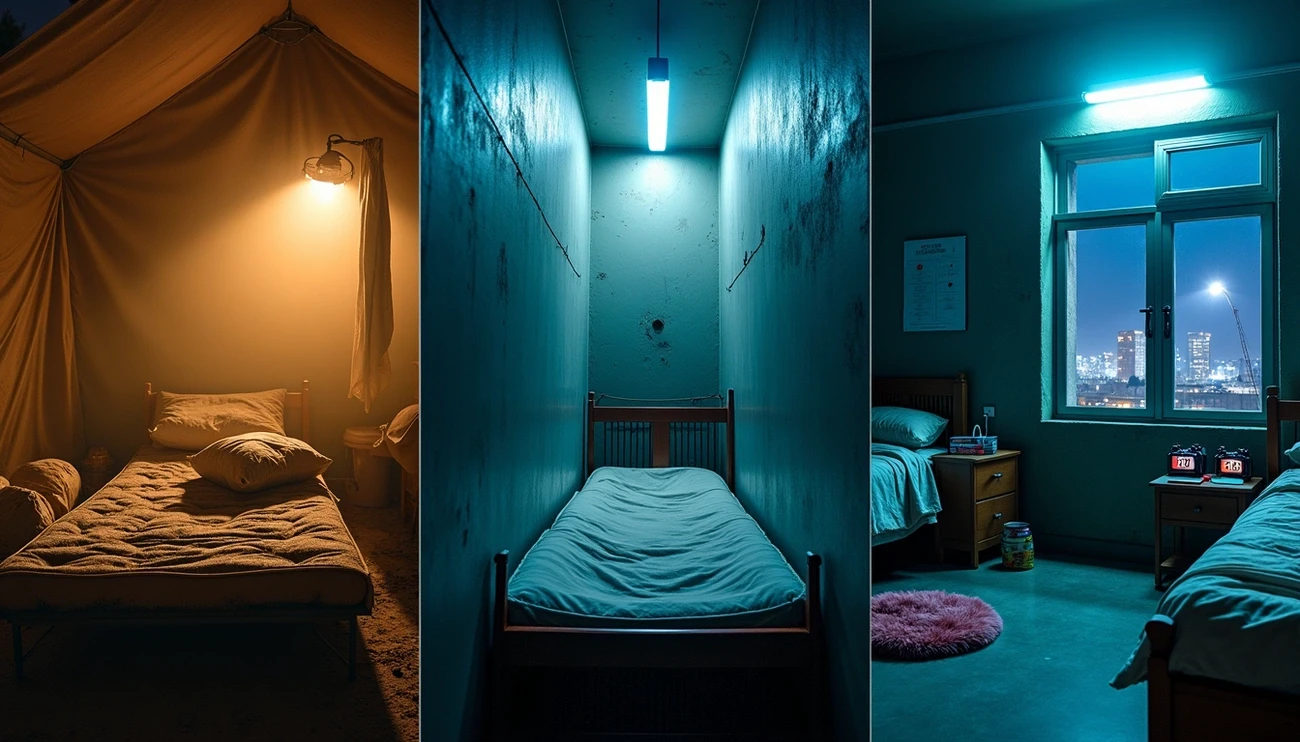
SLEEP 2024 brought sleep inequity to the forefront of clinical research. The June 5 dedicated session examined sleep deserts across hospitals, colleges, prisons, and refugee camps [33]. These institutional settings share common features: environments where sleep becomes structurally impossible.
Vulnerable populations experience remarkably consistent patterns. People experiencing homelessness, refugees, and incarcerated individuals show high prevalence of sleep disorders, particularly insomnia, short sleep duration, and persistent fatigue [34]. The environments they inhabit feature inopportune light exposure, noise disruption, inadequate bedding, and forced sleep schedules [34].
Safety threats emerge as a critical factor. Studies consistently find high prevalence of psychosocial stress and safety concerns, both directly associated with poor sleep health outcomes [34]. The research reveals that environmental barriers override individual treatment approaches across all vulnerable populations.
Key Findings from the SLEEP 2024 Conference Session
Dr. Hrayr Attarian's presentation highlighted displacement as a global sleep health crisis. 108.4 million people worldwide live in displaced conditions [33]. Refugees face a complex web of sleep-disrupting factors: severe economic hardship, financial insecurity, inadequate lodging, post-traumatic stress, and war-related nightmares [33]. The most significant finding? Sleep quality serves as the strongest indicator for overall quality of life in refugee populations [33].
Prison environments present equally challenging conditions. Dr. Lauren Robinson's research documented how short periods with lights off, poor mattress quality, constant noise, and deteriorating mental health collectively destroy sleep quantity [33]. Dr. Ronald Gavidia Romero emphasized the academic consequences for college students, showing how insufficient sleep directly hinders educational pursuits [33].
Environmental barriers to treatment adherence span all three populations [34]. Traditional sleep interventions fail when patients cannot control their sleep environment.
How Neighborhood Social Vulnerability Mediates Racial Sleep Disparities
The relationship between race and sleep quality operates through neighborhood conditions rather than individual characteristics. Black Americans experience more severe insomnia compared to White counterparts, but neighborhood social vulnerability functions as the primary mechanism driving this disparity [35].
A study of 196 participants with diagnosed insomnia revealed stark geographic differences. Black participants had 3.3 times the odds of living in neighborhoods with higher social vulnerability compared to White participants [35]. The Social Vulnerability Index accounted for 31.1% of the variance between race and insomnia severity [35].
This composite measure captures 16 neighborhood social factors: poverty rates, unemployment levels, health insurance access, single-parent household prevalence, and housing quality [35]. Black Americans consistently report more sleep disturbances, poorer sleep quality, and higher insomnia incidence [36]. They also experience short sleep duration-insomnia, a particularly severe phenotype [36].
Environmental associations prove stronger among disadvantaged populations. Air pollution, social environment, and physical environment effects are more pronounced among individuals with lower socioeconomic status and racial/ethnic minorities [7]. When neighborhood social vulnerability was included in statistical models, the direct effect of race on insomnia disappeared [36]. Social structure, not individual racial characteristics, drives sleep disparities.
Cumulative Social Risk and Sleep Disorders
Large-scale research using the UK Biobank database examined 239,165 participants to quantify cumulative social risks [37]. The findings demonstrate how multiple social determinants compound to create sleep disorders [37]. Individuals with sleep disorders consistently showed lower income, reduced employment rates, and shorter educational attainment compared to those without sleep problems [37].
Community factors also matter. Low community trust, weak reciprocity norms, and poor community attachment all influenced sleep quality [37]. Social isolation and poor self-rated health, including psychiatric disorders, affected sleep health across populations [37].
The effects begin early and accumulate over time. Among 205 caregiver-child dyads, 84.5% of children had at least one poor sleep health habit, 62.9% experienced insomnia symptoms, and 40.0% showed obstructive sleep apnea symptoms [38]. Each additional cumulative risk factor increased poor sleep health habits by 10%, insomnia symptoms by 9%, and sleep apnea symptoms by 18% [38].
Specific risks proved most predictive. Caregiver depressive symptoms and lower educational attainment, combined with single caregiver status and crowded homes, most strongly predicted poor sleep outcomes [38]. These patterns establish the foundation for lifelong sleep health disparities.
Sleep in Refugee Camps: When Trauma and Environment Collide
The Scale of Global Displacement: 108.4 Million People
The numbers tell a stark story. At the end of 2022, 108.4 million people worldwide were forcibly displaced due to persecution, conflict, violence, and human rights violations [39]. This figure encompasses refugees, asylum-seekers, internally displaced people, and others requiring international protection [39]. More than one in 74 people worldwide remained forcibly displaced, with almost 90% residing in low- and middle-income countries [39].
Children account for 30% of the world's population but represent 40% of all forcibly displaced individuals [39]. These numbers increased from over 65 million in earlier assessments [40], reflecting an escalating global crisis where sleep becomes structurally impossible for displaced populations.
Sleep as the Strongest Predictor of Quality of Life in Refugees
Dr. Hrayr Attarian's presentation at SLEEP 2024 revealed a crucial finding: sleep emerged as the strongest predictor of quality of life in refugee populations. Sleep disorder prevalence in refugees ranges between 39 and 99% [27]. Nearly half—41%—suffer from insomnia that begins at the time they flee from war [41].
Good health status proves necessary for everyday functioning and successful integration in host countries [41]. Sleep disturbances are the most common symptoms refugees report experiencing, which likely impair their functioning and may worsen or precipitate other disorders [42]. Among Abkhaz refugees, 92% reported insomnia attributed to war and migratory trauma, with sleep difficulties persisting up to 15 years post-displacement [42].
PTSD, Nightmares, and Postmigration Living Difficulties
A Danish study of 752 refugees with PTSD found that 99.1% reported trouble sleeping, while 98.7% experienced recurrent nightmares [27]. Refugees typically report exposure to numerous potentially traumatic events in their countries of origin and during displacement—experiences that are prolonged, repeated, and interpersonal in nature with pervasive negative impacts on mental health [40].
PTSD-related sleep disturbances include trauma-related nightmares, night-time intrusive memories, hot flashes, general nervousness, and episodes of acting out dreams through kicking, punching, running, or screaming [42].
Post-migration living difficulties (PMLD) exert effects equal to or greater than pre-migration trauma. PTSD-related sleep disturbances and post-migration living difficulties were the strongest predictors of PTSD symptoms in Syrian refugees [42]. A three-year longitudinal study found that reduction in PMLD predicted changes in depression and anxiety, accounting for 17.7% of the variance [40]. These difficulties include language barriers, discrimination, social isolation, family separation, unemployment, lack of health insurance, and insecure visa status [40] [43]. Language acquisition barriers were particularly associated with complex PTSD cluster membership [43].
Research Evidence from Syrian and Lebanese Refugee Populations
Among 305 Lebanese refugees in Syria, 48.9% were unemployed, 89.5% lived in hazardous or destroyed housing, and 59.0% reported smoking [44]. Current housing was associated with anxiety, depression, and insomnia, with participants from destroyed homes showing the highest Pittsburgh Sleep Quality Index scores (mean 12.47) [44].
Shared housing was associated with greater depression and anxiety than private accommodations, consistent with evidence that overcrowding exacerbates distress [44]. Sleep disturbances were more influenced by current daily struggles such as communication difficulties, discrimination, and economic insecurity than by prior traumas [42].
Environmental Barriers in Refugee Shelters and Camps
Refugee camps expose inhabitants to harsher conditions than surrounding areas. Settlements in Kenya and Ethiopia experience average temperatures 7.7°C and 8.8°C higher than population-weighted national averages [45]. Common building materials include wood and iron sheets vulnerable to dust storms and hailstorms [45].
Heat from the sun drives radiation into iron sheets, making it harder to stay inside shelters than standing outside [45]. Refugee accommodations feature cramped living arrangements, lack dedicated spaces for basic needs, and exist in isolated areas with safety concerns [46]. Many displaced people reside in makeshift shelters or informal camps for extended periods, with dwellings lacking ventilation, overcrowded, and providing little protection from elements [47].
These conditions create the perfect storm for sleep disruption: extreme temperatures, inadequate shelter, overcrowding, and constant safety threats. Sleep becomes structurally impossible regardless of individual resilience or coping strategies.
Sleep Deserts in Prisons: The Carceral Sleep Environment
How Prison Conditions Make Sleep Impossible
Chronic sleep deprivation defines life behind bars. Insomnia rates in correctional facilities reach as high as 81% [48]. English prisons show similar patterns: 88.2% of incarcerated individuals report poor sleep quality [48].
Your patient's insomnia didn't start with individual pathology. Prison environments systematically prevent sleep through what researchers call "systematic sleep interference" [49]. Most incarcerated people sleep far less than the seven hours public health experts recommend [49]. Sleep quality remains consistently poor for nearly everyone living in custody [49].
24-Hour Fluorescent Lighting and Forced Sleep Schedules
Prison lighting operates as sleep disruption by design. Twenty-four-hour fluorescent lighting causes sleep deprivation, depression, and serious mental health disorders [51].
John Thompson spent 37 years in Pennsylvania prisons, some in solitary confinement with constant lighting. He stretched socks over his eyes, desperate to block the glare. "It feels like your body can never rest. Like it's always daytime. So when you try to go to sleep, sleep don't come," he explains [53].
Sleep schedules compound the problem. At Texas's Estelle Unit, men must "rack up" at 10:30 p.m., then face head counts at 1 a.m. where they verbally identify themselves to guards [55]. Another wake-up call comes at 2 a.m. for breakfast [55]. This schedule allows only 3.5 hours for sleep, with just 2.5 hours uninterrupted [55].
Michael Garrett sued Texas prisons over these conditions. The 5th U.S. Circuit Court of Appeals recently ruled his case should proceed, acknowledging that getting only 2.5 hours of uninterrupted sleep violates basic human needs [56].
Noise, Inadequate Bedding, and Temperature Control Issues
Sleep becomes impossible when basic needs go unmet. Harper v. Showers documented conditions in Mississippi where inmates were placed next to psychiatric patients who scream, beat metal toilets, flood cells, throw feces, and light fires [52]. These conditions prevent sleep for days at a time.
Temperature extremes plague many facilities. Los Angeles jails have historically failed to provide bedding, sheets, or adequate sleeping spaces [53]. U.S. District Judge Dean D. Pregerson called it "self-evident" that forcing inmates to sleep on floors constitutes cruel and unusual punishment [56].
Mattress quality creates additional barriers. Connecticut cases document prison-provided mattresses with large slits and mildew smells causing pain and sleep loss [52]. Moldy mattresses appeared during oversight inspections at Los Angeles facilities [56]. Many incarcerated people lack basic items like sheets, pillows, or sufficient blankets [56].
Mental Health Consequences of Sleep Deprivation in Incarceration
Sleep deprivation creates cascading mental health crises. Women in jail show high rates of PTSD (50.9%) and depression symptoms (57.1%) [50]. They report trouble sleeping due to noise, inadequate bedding, constant lighting, and substance withdrawal [50].
The cognitive impact affects legal proceedings. San Francisco County jail detainees became so sleep-deprived they couldn't adequately participate in their own defense [53]. Civil rights attorney Maureen Hanlon identifies sleep deprivation as a hidden factor in bad plea deals [56].
Violence escalates when sleep becomes impossible. Thompson witnessed a cellmate's deterioration: initially stable, the man began hearing voices after weeks without sleep under bright lights [56]. He became combative, flooding his cell and screaming through nights, further disrupting others' sleep [56].
Legal Cases and Prisoner Testimonies on Sleep Conditions
Courts struggle with sleep-related constitutional claims. The Eighth Amendment analysis requires examining both prison officials' intent and the severity of conditions [51]. This creates inconsistent outcomes based on judicial interpretation [51].
Vasquez v. Frank illustrates this inconsistency. Despite constant illumination complaints, courts ruled that 24-hour lighting with a 9-watt fluorescent bulb didn't constitute "extreme deprivation" [52].
More recent cases show shifting perspectives. Santa Rita Jail faces litigation over 24-hour lighting policies that limit sleep to 5.5 hours nightly [57]. These conditions cause emotional impairment, weakened immunity, and decreased self-control [57].
Expert testimony supports these claims. Dr. Candice Alfano from the University of Houston notes that "prolonged sleep deprivation is considered a form of torture by the United Nations because it essentially attacks and breaks down a person's most basic biological functions" [55]. The UN condemned similar practices against military detainees [58].
Prison sleep conditions create structural barriers that your standard insomnia treatments cannot address. When patients return from incarceration with persistent sleep disorders, their environment - not individual pathology - may drive their symptoms.
College Students and Sleep: Academic Consequences Meet Chronotype Conflict
Sleep Disorders Hit Nearly Half of University Students
Insomnia affects 46.9% of undergraduate university students globally, while 26.4% of U.S. college students meet diagnostic criteria. Studies show prevalence ranging from 9.4% to 38.2%, with some investigations finding rates as high as 55.4% among participants. Students fall into categories: 33.4% experience mild insomnia, 18.9% moderate, and 3% severe.
More than one-quarter face sleep deprivation that directly undermines cognitive function, mood regulation, and academic performance.
When Biology Clashes with Class Schedules
Chronotype shifts progressively later during adolescence, reaching peak delay at its end. This biological timing conflicts directly with early class schedules, creating chronic sleep deprivation and social jetlag.
Late chronotypes consistently earn lower grades than early chronotypes. Each one-hour delay correlates with a 0.06-point decrease on a 10-point scale. The effect hits hardest in geography, biology, chemistry, and mathematics. Sixty percent of students experience daily social jetlag exceeding 30 minutes, while 50% schedule classes before reaching full alertness.
Sleep Loss During Exams Damages Cognitive Performance
Sleep duration drops significantly during exam periods, from 6.9 to 5.9 hours. Medical students show progressive cognitive deterioration: reaction time worsens, digit span declines, and Stroop interference increases.
Academic performance scores correlate positively with sleep duration (r = 0.43), with sleep functioning as an independent predictor after adjusting for confounders.
Digital Devices and Mental Health Create Sleep Disruption
Seventy-five percent of young adults report device use negatively affects sleep, yet 58.9% use devices before bed nightly. Loneliness predicts insomnia more strongly than screen time, though both contribute significantly.
Depression increases insomnia odds 9.54-fold, while ADHD increases odds 3.48-fold. Among students, 40.4% report anxiety symptoms that compound sleep difficulties.
Comparing Sleep Barriers Across Three Populations
Shared Environmental Factors: Noise, Light, and Lack of Control
Four environmental factors consistently disrupt sleep across all populations: noise, light, temperature, and air pollution [10]. Transportation noise creates sleep disruption and contributes to heart disease, cognitive impairment, depression, and anxiety [9]. Nocturnal environmental noise triggers stress responses, alters sleep architecture, and results in daytime sleepiness, mood changes, and decreased cognitive performance [18].
Low-income communities and neighborhoods with large proportions of nonwhite residents face disproportionate exposure to traffic noise [9]. Your patients from refugee camps, prisons, and college dormitories encounter these same disruptive forces. The common thread? Complete lack of control over their sleep environment.
Understanding these parallel conditions helps you recognize why standard sleep interventions fail. When patients cannot control noise levels, lighting, or temperature in their sleep space, individual behavioral changes become insufficient to address their insomnia.
Distinct Trauma Profiles: War vs Incarceration vs Academic Stress
Each population experiences qualitatively different trauma that affects sleep patterns. Trauma exposure and criminal justice system contact correlate highly among impoverished and minority populations, as victims and perpetrators often share the same physical environment [19].
Incarcerated individuals face nearly universal trauma exposure, affecting 11.5 million people globally [20]. Prison conditions create additional trauma through constant bright lights, loud noises, guard interrogations, physical handling, restrictions, and sparse living quarters that trigger PTSD symptoms [21].
War trauma in refugees differs significantly from incarceration trauma. Academic stress in students represents a third distinct profile. Recognizing these different trauma presentations allows you to tailor your approach to each population's specific needs.
The Role of Safety and Autonomy in Sleep Quality
Social relationships and support directly correlate with physical health outcomes and sleep quality [11]. Perceived support connects to better sleep quality, while interpersonal negativity relates to poorer sleep [11]. Supportive relationships improve sleep, whereas negative relationships worsen it, with depression mediating these associations [11].
Safety provides the essential evolutionary context for sleep [11]. Your patients in sleep deserts lack both safety and autonomy - two fundamental prerequisites for restorative rest. This understanding shifts your treatment focus from individual sleep behaviors to addressing environmental safety and patient empowerment within their constraints.
A Unified Framework: Social Determinants of Sleep
Expanding the Biopsychosocial Model to Include Social Structure
Sleep connects biological, psychological, and socio-environmental factors [5]. The biopsychosocial model examines how these three aspects create health or disease through their interconnectedness [22]. Traditional applications focus on genetics, mood, behaviors, and individual social relationships [5]. Clinical practice often misses social structure itself: the policies, institutions, and discriminatory systems that determine where patients live, work, and sleep.
Structural racism creates sleep deserts through interconnected institutions that restrict access to opportunities and resources [23]. Low income independently contributes to sleep deserts and strongly relates to structural racism [23]. Income inequality and structural racism drive inequities in socioeconomic status, which functions as the fundamental cause of health disparities overall and sleep health disparities specifically [23].
Direct, Physiological, and Psychological Mechanisms
Social determinants operate through three distinct pathways. Direct environmental mechanisms include pollution, noise, light, and temperature exposure [23] [12]. Physiological mechanisms involve stress responses, immune suppression, and circadian disruption [22]. Psychological mechanisms encompass vigilance, discrimination-related stress, and trauma [12].
How Social Disadvantage Accumulates to Create Sleep Deserts
Sleep deficits accumulate over time. Thirty minutes of curtailment per night translates to 3.5 hours lost weekly [13]. Socioeconomic disadvantage associates significantly with later bedtimes, longer sleep onset latency, and shorter sleep duration [13].
This framework explains why your refugee, incarcerated, or college student patients experience persistent insomnia despite your best clinical interventions. Their sleep environments systematically override individual treatment approaches.
Clinical Practice Guidelines for Treating Insomnia in Marginalized Populations
Sleep medicine requires new assessment tools when traditional approaches fail your marginalized patients. Environmental barriers create insomnia that persists despite perfect sleep hygiene compliance.
Assessment Questions That Go Beyond Sleep Hygiene
Your standard sleep intake forms miss critical environmental realities. The Assessment of Sleep Environment (ASE) provides a validated 13-item tool that captures whether patients experience their sleep space as too bright, too noisy, too warm, unsafe, or uncomfortable due to bedding quality [6]. Higher ASE scores correlate with worse sleep quality (B = 0.07, p < 0.0001) and greater insomnia severity (B = 0.09, p < 0.0001) [6].
Ask directly: "Do you feel safe where you sleep?" This single question reveals more about treatment barriers than hours of sleep diary analysis.
Environmental Red Flags Clinicians Must Identify
Safety, noise, light exposure, temperature control, and bedding comfort all associate significantly with insomnia symptoms [6]. Neighborhood disorder and perceived stress also correlate with higher ASE scores [6]. These factors require documentation in your treatment planning.
Red flags include shared sleeping spaces, inability to control lighting, persistent noise exposure, and safety concerns during sleep hours. Each barrier demands specific intervention strategies beyond standard cognitive behavioral approaches.
Trauma-Informed Care for Refugee Insomnia
Multilevel interventions targeting structural racism and physical environment prove necessary alongside behavioral interventions [24]. Community engagement and culturally responsive approaches must address barriers to treatment engagement in intervention design [24].
Your refugee patients need sleep interventions that acknowledge ongoing trauma exposure. Current daily struggles often affect sleep more than past traumas.
Treatment Adaptations for Incarcerated Patients
Single-shot cognitive behavioral therapy for insomnia demonstrates large effect sizes for insomnia reduction (dRM = 2.35) in prison settings [25]. Treatment pathways incorporating self-management booklets, peer support, and adapted sleep restriction prove feasible [8].
Focus on techniques that work within structural constraints rather than environmental modifications.
Helping Students Navigate Academic Demands and Sleep Needs
Up to 60% of college students suffer from poor sleep quality, with 7.7% meeting insomnia criteria [15]. SWIS training addresses irregular sleep-wake cycles, chronotype changes, and exam periods through multicomponent intervention [15].
Students need chronotype education and academic schedule coordination, not just sleep hygiene.
Documentation Strategies and Advocacy as Clinical Intervention
Document environmental barriers systematically. Note housing conditions, neighborhood safety, noise exposure, and lighting issues in your treatment records. This documentation supports referrals to social services and housing advocacy.
Advocacy becomes appropriate clinical intervention when social determinants create and maintain sleep disorders. Your documentation creates evidence for systemic change.
Conclusion
Sleep deserts render traditional G47.0 treatment protocols ineffective before you begin. Your standard insomnia interventions assume patients control their sleep environment. Refugees facing war trauma in overcrowded camps, incarcerated individuals under 24-hour fluorescent lighting, and college students in noisy dormitories cannot implement sleep hygiene recommendations you provide.
Environmental barriers override individual pathology. Safety threats, noise pollution, inadequate bedding, and forced lighting schedules create structural impossibilities that persist regardless of cognitive behavioral therapy or sleep restriction protocols.
Your clinical practice must expand beyond behavioral interventions. Environmental assessment becomes as critical as sleep history. The Assessment of Sleep Environment tool captures the structural barriers your intake forms miss. Trauma-informed approaches address the complex interplay between displacement, incarceration, academic stress, and sleep disorders.
Documentation of environmental barriers serves dual purposes: it provides comprehensive patient care and creates advocacy opportunities. When social determinants maintain sleep disorders, advocacy becomes appropriate clinical intervention.
Your patients inhabiting sleep deserts need environmental solutions alongside individual treatment. This expanded approach addresses the fundamental causes of insomnia in marginalized populations, ensuring your clinical interventions match the reality of where your patients sleep each night.
Key Takeaways
Sleep disorders in marginalized populations require assessment beyond individual pathology to address structural barriers that make sleep impossible.
• Sleep deserts affect 108.4 million displaced people globally, with insomnia rates reaching 99% in refugees and 81% in prisons due to environmental barriers.
• Traditional sleep hygiene fails when patients lack control over their environment - noise, light, safety threats, and inadequate bedding override behavioral interventions.
• Neighborhood social vulnerability accounts for 31% of racial sleep disparities, indicating structural factors rather than individual characteristics drive insomnia inequities.
• Environmental assessment tools like the ASE questionnaire help identify sleep barriers that standard intake forms miss, including safety, temperature, and bedding quality.
• Trauma-informed care and advocacy become clinical interventions when social determinants create sleep disorders that persist despite individual treatment approaches.
When coding G47.0 for insomnia, clinicians must assess where patients sleep and whether their environment structurally permits rest. This expanded approach transforms sleep medicine from treating individual pathology to addressing the social determinants that create sleep deserts across refugee camps, prisons, and college campuses.
FAQs
What are sleep deserts and how do they affect vulnerable populations?
Sleep deserts are disadvantaged environments where structural barriers make healthy sleep impossible. These include refugee camps, prisons, and certain neighborhoods characterized by excessive noise, constant lighting, inadequate bedding, safety threats, and lack of temperature control. Vulnerable populations in these settings experience insomnia rates ranging from 39-99% in refugees to 26-81% in incarcerated individuals, as environmental conditions override any individual sleep interventions.
Why do refugees experience such high rates of sleep disorders?
Refugees face multiple compounding factors that disrupt sleep: post-traumatic stress from war experiences, ongoing nightmares, severe economic insecurity, overcrowded and inadequate housing, and post-migration difficulties like discrimination and language barriers. Research shows that 41% of refugees develop insomnia at the time they flee conflict, and sleep quality emerges as the strongest predictor of their overall quality of life. Current daily struggles often affect sleep more than past traumas.
How do prison conditions systematically prevent adequate sleep?
Prisons create sleep deprivation through 24-hour fluorescent lighting, forced sleep schedules that allow as little as 2.5 hours of uninterrupted rest, constant noise from other inmates and facility operations, inadequate or moldy bedding, and extreme temperatures. These conditions are so severe that prolonged sleep deprivation in correctional settings is considered a form of torture by the United Nations, leading to cognitive impairment, mental health deterioration, and increased violence.
What role does neighborhood social vulnerability play in sleep disparities?
Neighborhood social vulnerability accounts for approximately 31% of racial sleep disparities, functioning as a key mechanism rather than individual characteristics. Factors include poverty rates, unemployment, lack of health insurance, air pollution, crime, noise, and inadequate housing. Black Americans have 3.3 times higher odds of living in socially vulnerable neighborhoods compared to White Americans, which directly correlates with more severe insomnia independent of individual factors.
How should clinicians assess insomnia differently in marginalized populations?
Clinicians should move beyond standard sleep hygiene questions to assess environmental realities using tools like the Assessment of Sleep Environment (ASE). Critical questions include: "Do you feel safe where you sleep?" and inquiries about noise levels, lighting control, temperature regulation, and bedding quality. Documentation of structural barriers becomes essential, and advocacy for environmental changes constitutes appropriate clinical intervention when social determinants create and maintain sleep disorders.
References
[1] - https://www.ajmc.com/view/sleep-2024-annual-meeting-in-review-sleep-inequities-mental-health-among-highlights-of-conference?utm_source=www.ajmc.com&utm_medium=relatedContent
[2] - https://pmc.ncbi.nlm.nih.gov/articles/PMC7272531/
[3] - https://www.ajmc.com/view/sleep-inequities-persist-in-various-prisons-hospitals-universities
[4] - https://rcmexperts.us/blog/icd-10-codes/insomnia-icd-10-codes/
[5] - https://pmc.ncbi.nlm.nih.gov/articles/PMC6033330/
[6] - https://pmc.ncbi.nlm.nih.gov/articles/PMC11181961/
[7] - https://pmc.ncbi.nlm.nih.gov/articles/PMC11516374/
[8] - https://pmc.ncbi.nlm.nih.gov/articles/PMC9340601/
[9] - https://www.concordia.ca/cunews/offices/provost/health/topics/sleep/sleep-social-determinants-health.html
[10] - https://pmc.ncbi.nlm.nih.gov/articles/PMC11829114/
[11] - https://pmc.ncbi.nlm.nih.gov/articles/PMC9626376/
[12] - https://www.ajmc.com/view/sleep-2024-annual-meeting-in-review-sleep-inequities-mental-health-among-highlights-of-conference
[13] - https://pubmed.ncbi.nlm.nih.gov/38623559/
[14] - https://pubmed.ncbi.nlm.nih.gov/39477783/
[15] - https://www.sleephealthjournal.org/article/S2352-7218(24)00220-1/fulltext
[16] - https://www.sciencedirect.com/science/article/abs/pii/S2352721823002280
[17] - https://www.sciencedirect.com/science/article/abs/pii/S2352721824000597
[18] - https://pubmed.ncbi.nlm.nih.gov/31555826/
[19] - https://www.onlinelibrary.iihl.org/wp-content/uploads/2025/02/2022-UNHCR-Global-Trends-Report-Forced-Displacement-2022.pdf
[20] - https://pmc.ncbi.nlm.nih.gov/articles/PMC6189477/
[21] - https://pmc.ncbi.nlm.nih.gov/articles/PMC6952325/
[22] - https://pmc.ncbi.nlm.nih.gov/articles/PMC10332942/
[23] - https://pmc.ncbi.nlm.nih.gov/articles/PMC8654416/
[24] - https://pmc.ncbi.nlm.nih.gov/articles/PMC12780925/
[25] - https://www.preventionweb.net/news/displaced-home-and-sheltered-extreme-environment
[26] - https://link.springer.com/article/10.1186/s13690-022-00993-1
[27] - https://jpmsonline.com/article/health-consequences-of-refugee-displacement-a-comprehensive-review-of-risks-barriers-and-systemic-challenges-819/
[28] - https://petrieflom.law.harvard.edu/2022/01/25/correctional-sleep-litigation-research-policy/
[29] - https://southerncalifornialawreview.com/2026/01/21/sleep-deprivation-in-prison/
[30] - https://washingtonlawreview.org/obstacles-to-proving-24-hour-lighting-is-cruel-and-unusual-under-eighth-amendment-jurisprudence/
[31] - https://www.latimes.com/california/story/2024-12-12/sleep-dont-come-the-dangerous-problem-of-sleep-deprivation-behind-bars
[32] - https://www.texasobserver.org/criminal-justice-prison-sleep-tdcj-sleep-deprivation-lawsuit/
[33] - https://www.themarshallproject.org/2024/12/12/sleep-don-t-come-the-dangerous-problem-of-sleep-deprivation-behind-bars
[34] - https://psychiatryonline.org/doi/full/10.1176/appi.ps.202100438
[35] - https://pmc.ncbi.nlm.nih.gov/articles/PMC10911691/
[36] - https://news.bloomberglaw.com/us-law-week/female-inmates-sue-over-24-7-lights-on-policy
[37] - https://reason.com/2024/04/04/federal-appeals-court-says-texas-inmates-decade-long-lawsuit-over-sleep-deprivation-can-keep-going/
[38] - https://academic.oup.com/milmed/article/184/7-8/e259/5370041
[39] - https://hsph.harvard.edu/news/noise-pollution-can-lead-to-sleep-issues-chronic-health-problems/
[40] - https://pmc.ncbi.nlm.nih.gov/articles/PMC4608916/
[41] - https://pmc.ncbi.nlm.nih.gov/articles/PMC5079438/
[42] - https://istss.org/public-resources/friday-fast-facts/incarceration-traumatic-stress/
[43] - https://icjia.illinois.gov/researchhub/articles/trauma-informed-and-evidence-based-practices-and-programs-to-address-trauma-in-correctional-settings
[44] - https://pmc.ncbi.nlm.nih.gov/articles/PMC4636437/
[45] - https://pmc.ncbi.nlm.nih.gov/articles/PMC12503254/
[46] - https://surgery.wustl.edu/three-aspects-of-health-and-healing-the-biopsychosocial-model/
[47] - https://pmc.ncbi.nlm.nih.gov/articles/PMC7525655/
[48] - https://pmc.ncbi.nlm.nih.gov/articles/PMC8085085/
[49] - https://www.mdpi.com/resolver?pii=ijerph192013599
[50] - https://pmc.ncbi.nlm.nih.gov/articles/PMC12772510/
[51] - https://www.tandfonline.com/doi/full/10.1080/15402002.2018.1518227
[52] - https://pmc.ncbi.nlm.nih.gov/articles/PMC10873789/
[53] - https://pmc.ncbi.nlm.nih.gov/articles/PMC5536318/
If you’re ready to spend less time on documentation and more on therapy, get started with a free trial today
Not medical advice. For informational use only.
Outline
More articles