Group Therapy Goes Augmented: How Smartphones Are Becoming Tools for Teen Connection and Belonging

Mar 18, 2026
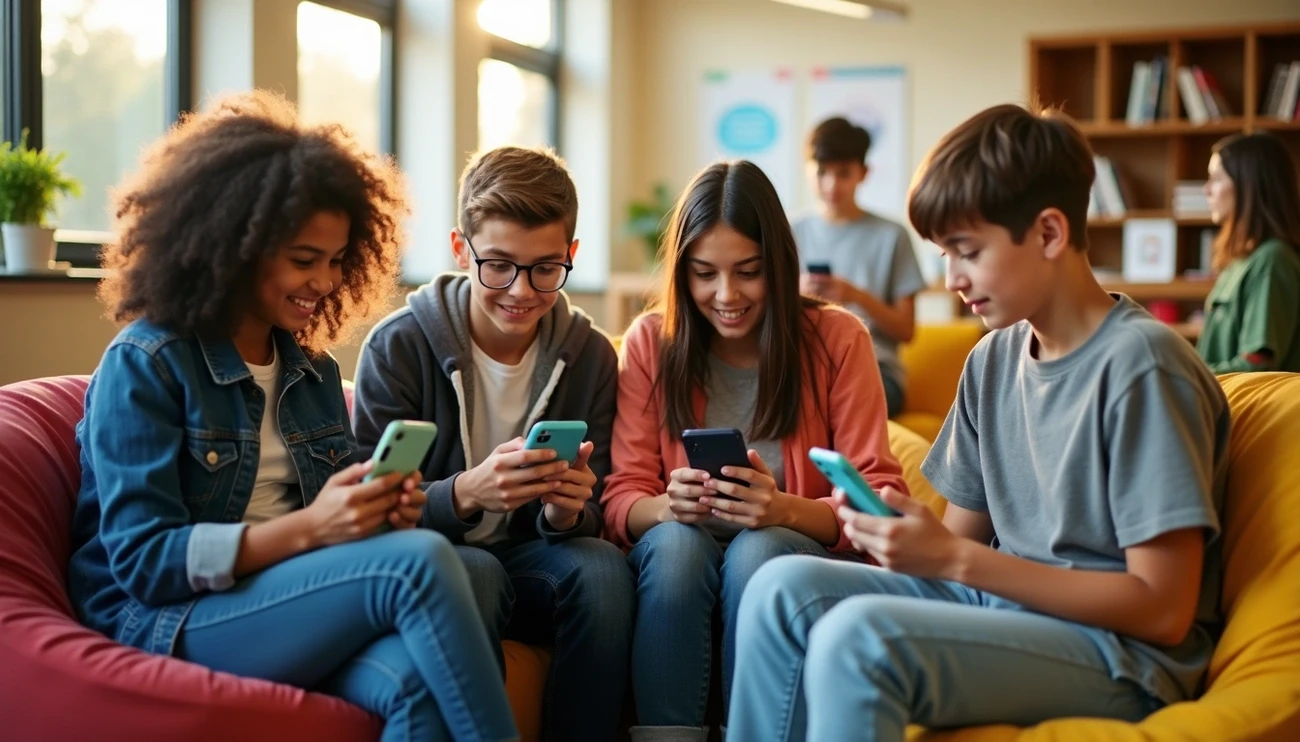
Think digital group therapy means video calls and chat rooms? The most effective intervention might actually happen face-to-face, using the smartphones students already carry. The World Health Organization reports that one out of seven young people aged 10-19 years suffers from a mental illness [50]. Schools need practical solutions to address this growing crisis.
Augmented Social Play (ASP) offers a fresh approach to teen mental health support. This EU-funded intervention uses smartphones to build genuine connections rather than create isolation. The program combines storytelling, augmented reality, and evidence-based psychology. Students work together in their classrooms to solve mysteries and support each other.
This article examines the ASP-belong project and its flagship intervention "Lina." You'll discover how this school-based approach is changing the way educators and clinicians support adolescent wellbeing. The format requires no specialized training and works with existing classroom structures.
The Rising Crisis of Adolescent Loneliness and Social Isolation
Mental Health Trends Among Young People
Globally, one in seven adolescents aged 10-19 years experiences a mental disorder, accounting for 15% of the disease burden in this age group [50]. These numbers tell a troubling story. A generation faces unprecedented psychological distress.
Anxiety disorders top the list. They affect 4.1% of 10-14-year-olds and 5.3% of 15-19-year-olds [50]. Depression rates climb steadily with age, from 1.3% among younger adolescents to 3.4% in the 15-19 age bracket [50].
Recent data reveals dramatic shifts. A 40-year national survey tracking 8 million adolescents found that high school seniors reporting frequent loneliness surged by 50 percent between 2012 and 2017 [50]. Social exclusion intensified during the same period. Twelfth graders reporting being left out jumped from 30 percent to 38 percent [50].
The U.S. Surgeon General declared loneliness an epidemic in 2023. Young adults report the highest rates of social isolation [1]. Between 1976 and 2019, loneliness among young adults increased every single year [50].
Social withdrawal creates a dangerous cycle. Anxiety and depression affect school attendance and academic performance [50]. Withdrawal feeds isolation, which feeds loneliness [50]. Research confirms the connection between social isolation and increased likelihood of both anxiety and depression in children and adolescents [50]. Suicide ranks as the third leading cause of death among older adolescents and young adults aged 15-29 years [50].
The Critical Role of Belonging in Teen Development
Belonging serves as a fundamental human need. Our biology requires it for survival [50]. During adolescence, this need intensifies as developing brains become more sensitive to peer validation and social feedback [2]. Supportive relationships form the foundation of healthy development [50].
The support gap runs deep. Only 58.5% of U.S. teens report consistently receiving the social and emotional support they need [2]. Those lacking adequate support experience worse physical health, disrupted sleep, and higher rates of anxiety, depression, and low life satisfaction [2].
Vulnerable groups face steeper challenges. Less than half of sexual and gender minority teens (43.9%) report consistently receiving needed support [2]. Black and Hispanic teens report lower support levels compared to their White and Asian peers [2].
Belonging spans multiple environments. Family belonging means feeling included, understood, and valued [50]. Strong peer connections protect against loneliness, depression, and behavioral problems [50]. School belonging connects to better academic outcomes, reduced substance use, and fewer mental health difficulties [50].
Students with high belonging across contexts show more positive psychological and academic outcomes [50]. When family relationships struggle, other social environments can provide protective effects [50].
Why Schools Need Better Connection-Building Tools
Schools serve as the primary site for adolescent socialization. Yet a critical gap exists. Research confirms that school connectedness protects against poor mental health, risky behaviors, substance use, and violence [50]. However, few programs specifically target social isolation prevention among adolescents [1].
Students facing racism, those from racial and ethnic minority groups, and LGBTQ+ youth feel less connected at school [50]. Social isolation impacts adolescent depression more than social media use alone [1]. This challenges interventions focused solely on limiting screen time.
High social media use affects depression differently depending on isolation levels. This supports targeting social isolation as a depression prevention strategy [1].
Face-to-face interaction time has declined. American adolescents spent 22 fewer minutes per day on social interactions in 2017 compared with 2003 [2]. That equals 140 fewer hours of social time annually. Students with low in-person interaction plus high social media use report the highest loneliness rates [2].
Parents and teens see the situation differently. While 93.1% of parents believe their child receives adequate support, fewer than three in five teens agree [2].
Schools need evidence-based interventions targeting belonging within natural settings. Traditional mental health programs often feel clinical or disconnected from teen culture. Teachers and mentors want to support youth but lack accessible classroom tools [2]. The solution requires meeting adolescents where they are, using familiar technology while building genuine face-to-face connections.
What Is Augmented Social Play (ASP)?
How ASP Combines Storytelling with Augmented Reality
Augmented Social Play creates a new category of digital mental health intervention. Students use smartphones to participate in real-world group experiences that blend immersive storytelling, augmented reality, collaborative face-to-face gameplay, and evidence-based psychotherapeutic methodologies [50]. The smartphone becomes a portal connecting digital content with physical classroom space rather than isolating users behind screens.
Storytelling provides the shared narrative that brings the entire group together [47]. AR technology overlays digital elements onto the physical environment through this framework. Students discover a missing classmate's belongings appearing through their phone screens in their actual classroom [47]. This creates what researchers call a "shared immersive narrative" by layering fictional story onto real space [47]. The approach channels adolescent connection to digital devices toward improving real-world social connection and belonging [47].
AR works particularly well for digital storytelling in collaborative settings [47]. The fictional story anchors itself in the physical classroom where students spend their days. This blurs boundaries between imagination and reality while keeping students grounded in face-to-face interaction rather than pulling them into purely virtual spaces.
The Role of Collaborative Gameplay in Mental Health
Collaborative gameplay drives therapeutic change. Research shows multiplayer games provide effective approaches for integrating social learning [50]. Both collaborative and competitive multiplayer scenarios prove more motivational and performance-enhancing than single-player experiences [50]. Adolescents often find collaboration more motivating than competition, which particularly benefits those with low frustration tolerance [50].
ASP gameplay mechanics require students to work together solving puzzles, sharing information, and piecing together mysteries. Everyone must contribute; no one remains passive. This collaborative problem-solving mirrors evidence-based group psychotherapy techniques [50]. Students practice communication, perspective-taking, negotiation, and conflict resolution through natural gameplay flow rather than explicit instruction.
Therapeutic gaming builds on psychological research showing that role-playing supports mindset change, builds self-esteem, and improves interpersonal relationships [50]. Traditional therapeutic role-playing games involve participants creating characters to address therapeutic goals [50]. ASP embeds these principles within the game design itself, making therapeutic components feel organic rather than clinical.
Evidence-Based Psychotherapeutic Techniques Built Into the Experience
ASP weaves evidence-based interventions including role-playing, psychodrama, and group psychotherapy into its design [50]. The approach shows promise for improving symptoms across many clinical presentations [50]. Students learn through implicit processes, absorbing lessons about perspective, empathy, and mental health by stepping into scenarios that require considering a struggling peer's experience [47].
The game creates safe space for exploring difficult topics. Students reflect on mental health and external stressors related to family circumstances within the protective narrative frame [47]. This parallels therapeutic gaming research showing that trying new life skills as a character carries lower stakes than trying something new in real life, where results carry actual consequences [50]. When something goes wrong in the game, students process it as the character's problem rather than their own failure [50].
No Therapist Required: Self-Contained Design for Schools
ASP functions as a self-contained intervention requiring no therapist or trained facilitator in the room [33]. Classroom teachers can implement the program with their students [33]. This addresses a major barrier: schools often lack sufficient mental health professionals to deliver traditional therapeutic interventions.
The format supports group psychotherapeutic work in everyday settings [33]. ASP creates supportive communities for adolescents by embedding therapeutic principles within engaging gameplay [33]. Schools will access the program free of charge [33], removing financial barriers that prevent many evidence-based interventions from reaching students who need them most.
Meet Lina: The First Full-Scale ASP Intervention
The Mystery That Brings Classrooms Together
Lina tells the story of a fictional classmate who vanishes without explanation [7]. Students discover their missing peer struggled with trust and forming friendships [3]. The mystery deepens as players learn about her challenging home life, caring for a mother with mental illness [3]. This narrative targets early adolescents aged 10-12, when peer relationships shape mental wellbeing during the critical transition to secondary school [51].
Augmented reality brings Lina's belongings into the physical classroom [5]. Students scan their actual learning environment with smartphones or tablets to find clues. Cinematic soundtracks and dramatic narration turn ordinary classrooms into immersive investigation spaces [5]. Role-play emerges naturally as students work together, creating what researchers describe as compelling shared experiences [5].
How the Six-Session Program Works
Six sessions structure the complete intervention within standard class periods [5]. Four sessions feature digital and augmented reality elements, while two focus on reflection and integration [5]. Students use their own devices as the story unfolds in real-time through collaborative puzzle-solving [5].
Equal access to information ensures fair participation for all students. Progress requires both cooperative gameplay and face-to-face communication [3]. Built-in guidance and hints support students throughout the experience [3]. Teachers can implement the program without specialized training or external facilitators [5].
From Proof-of-Concept to Clinical Trial
The single-session prototype earned Best New Game In Development at the International Educational Games Competition 2022 [7]. Pilot evaluation with 99 participants showed strong acceptability and feasibility [51]. Belonging scores increased significantly after playing Lina, with an effect size of Cohen's d = 0.21 [3]. Statistical analysis revealed consistent improvement across all participating classes [3].
The game reached Alpha development stage with clinical trial preparation underway [5]. Implementation across Czechia, Portugal, and the UK begins in 2025-2026 for rigorous scientific evaluation [7]. This cluster randomized controlled trial will provide evidence needed for broader adoption [7].
Student Voices: What Teens Say About Playing Lina
Students reported excellent experiences with high satisfaction ratings [3]. Narratives, enjoyment, and social connectivity received the highest scores, reflecting the development team's priorities [3]. The experience changed classroom dynamics. One participant shared, "It made me feel more confident talking to different people in the classroom that I wouldn't usually talk to" [7]. Another observed, "I feel like [the class] just connected with each other again" [7]. A third reflected, "I think it has strengthened the class community" [7].
Strong approval across all six theory-based design features demonstrates successful translation from research to practice [3]. Young people co-created the intervention to ensure the story, design, and gameplay matched their interests and perspectives [5].
Co-Creating Mental Health Tools With Young People
Youth Involvement in Designing the Lina Experience
The European research team behind Lina recognized a simple truth: designing for adolescents without adolescents would undermine the entire intervention. Young people functioned as genuine partners throughout development cycles, not token consultants [3]. Their voices shaped every aspect of the experience.
Two qualitative studies explored early adolescents' perspectives on school transitions and peer relationships [3]. A key finding emerged: fun with classmates proved vital for positive relationship development [3]. This insight directly influenced Lina's emphasis on enjoyment and social connectivity.
The UK youth co-development group met over 20 Saturdays plus a three-day intensive workshop. These 12-13 year olds helped build Lina's world from the ground up. Their input covered narrative choices, gameplay mechanics, and user interface design. The intervention reflects genuine adolescent interests rather than adult assumptions about teen preferences.
International Youth Exchanges Across Three Countries
Cross-cultural collaboration strengthened the intervention's relevance across diverse European contexts. Twenty-eight young people from Czechia, Portugal, and the UK participated in international youth exchanges held in London, Brno, and Torres Vedras [3]. These gatherings went beyond simple feedback collection.
Participants tackled design challenges, playtested early versions, and shared culturally specific perspectives on belonging and mental health. International youth work can significantly impact wellbeing for young people with fewer opportunities, often providing feelings of belonging and accomplishment [8]. Youth workers influence how young people with mental health challenges participate in international activities [8], so exchanges were structured as safer spaces for all participants.
The three-country approach built cultural adaptability into the final intervention. When the cluster randomized controlled trial begins during 2025-2026, schools in all three nations will implement an intervention shaped by youth from their own cultural contexts.
Why Participatory Design Matters for Teen Engagement
Research confirms what the Lina team discovered through practice. Co-design methods create opportunities to meaningfully involve young people in research, ensuring supports are useable and responsive to their needs [9]. Benefits include greater intervention use, improved access to services, and clinical effectiveness [9].
Youth perspectives reveal preferences adult designers might overlook. Latinx youth in one study wanted apps that were accessible, relatable, youth-centric, and simple, with integration into their offline lives [10]. This aligns with Lina's philosophy of using smartphones to enhance rather than replace face-to-face interaction.
Developing digital mental health technologies for young people requires specific considerations. Adapting adult interventions proves insufficient [9]. Co-design approaches facilitate collaborative development of online mental health resources that are age-appropriate and responsive to needs [9]. When young people see themselves represented in messaging and design, they engage more readily and advocate more naturally for solutions [11].
Power dynamics require careful attention. Reducing power differentials and fostering community engagement facilitates the co-design process [12]. Youth want involvement throughout the entire research process, stating their participation should drive projects [13]. True co-creation means young people are actively embedded in every stage of building a product, from initial design to launch and outreach. They function as collaborators, creatives, strategists, and storytellers rather than focus group participants [11].
The Science Behind Why ASP Works
Belonging as the Primary Therapeutic Target
Belonging functions as a powerful predictor of positive outcomes in youth, including greater wellbeing [14]. Adolescents who feel connected to their social networks perform better mentally and physically [14]. Family support, trust in teachers, and reliable friendships directly associate with greater belonging [14].
High psychological distress manifests differently. Depressive symptoms and low self-esteem link directly to diminished belonging [14]. ASP targets this fundamental need deliberately. Strengthening belonging addresses multiple mental health concerns simultaneously.
Storytelling as a Safe Container for Difficult Topics
Stories provide a universal language that teaches, comforts, and guides through challenges [15]. Words alone may not suffice for adolescents struggling with anxiety, grief, or trauma [15]. Young people project feelings onto characters through stories, making overwhelming emotions easier to process [15].
This indirect method creates safe emotional space. Participants gain new perspectives and coping strategies without directly confronting painful memories [15]. Narrative conversations externalize problems, relieving pressure and blame [16]. Characters facing similar situations provide emotional distance, helping participants feel less exposed while working through their own challenges [15].
AR Technology Bridging Imagination and Reality
Augmented reality provides interactive experiences by superimposing computer-generated content on the real world [17]. AR-based interventions allow interaction with stimuli that cannot be easily reproduced in clinic settings [17]. The combination of real and simulated content allows better benefit generalization compared to conventional therapy [17].
Students see their own bodies, walk through actual rooms, and simultaneously engage with digital objects [18]. This creates deep immersion where boundaries between real and unreal blur [18]. Participants intellectually know scenarios aren't real, yet their bodies cannot differentiate, enabling participation from those too fearful for direct exposure [18].
Building Social-Emotional Skills Through Collaborative Problem-Solving
Collaborative Problem Solving recognizes that young people with challenging behavior lack skills, not willpower [19]. The approach builds flexibility, frustration tolerance, and problem-solving abilities rather than simply motivating better behavior [19].
Social-emotional learning encompasses self-awareness, self-management, social awareness, relationship skills, and responsible decision-making [20]. These skills associate with improved social relationships, greater resiliency, and successful academic performance [20]. Modeling skills along with repeated practice and feedback enhance learning [20].
Implicit Learning Through Embodied Experience
Implicit learning requires time, practice, and repetition before becoming embodied knowledge [6]. Through moving and repeating action patterns, participants become aware of how behaviors resonate as destructive or beneficial for wellbeing [6]. Such learning will not be forgotten [6].
Once embodied, even after years without practice, the body retains knowledge [6]. Embodied learning proves slower and messier than cognitive insights. With sufficient practice, effects produce lasting change [6].
Reducing Mental Health Stigma Through Gameplay
Playing video games featuring characters with mental illness reduces stigma through transportation and identification [21]. Transportation occurs when players disengage from the real world, devoting cognitive abilities to processing the story world [21]. This mechanism creates attitudinal change by suppressing counterarguing against embedded messages [21].
Video games allow players to embody characters, taking on their goals as personal [21]. Identification enables users to take on thoughts and perspectives of media characters [21]. Experiencing life as someone with psychosis allowed players to incorporate mental illness into their self-concept, consequently reporting less desire to maintain social distance from mentally ill others [21] [22].
Practical Implementation for Schools and Clinicians
Who ASP Is Designed For: Ages and Settings
Schools implementing Lina work with students aged 12-13 in grades 7-8 across the UK, Czech Republic, and Portugal [7]. This age range targets early adolescence, a critical transition period when peer relationships significantly impact mental wellbeing. The intervention fits within regular classroom settings during standard lesson times. No special scheduling required.
Digital mental health interventions in schools face unique challenges. Staff report escalating student mental health concerns alongside limited access to timely support [23]. Challenges emerge around digital access, policy constraints such as phone bans, staff digital literacy, and concerns about sustaining engagement [23]. Effective implementation depends on flexible delivery within school routines, accessible training, and ongoing student feedback [23].
Technical Requirements and Teacher Training Needs
Entry-level smartphones or tablets serve as the only hardware requirements. No specialized equipment or dedicated devices necessary. Staff training centers on accessible upskilling formats [24]. Australian secondary school staff identified available training and format as key facilitators, with 93% of teachers and 92% of counselors rating this factor as important [24].
Embedding the program into existing curriculum structures facilitates adoption. Teachers and counselors emphasized that aligning programs with school curriculum matters, with 88% of teachers and approximately 90% of counselors and principals indicating this as important [24]. Staff want evidence-based interventions before committing classroom time [24].
How Clinicians Can Use ASP as Part of Treatment Plans
Clinicians can integrate ASP as a complement to individual therapy for adolescents working on social connection. The classroom-based format provides naturalistic skill practice that reinforces therapeutic goals around peer interaction and belonging. School counselors may identify students requiring additional support through observation during gameplay sessions.
Documentation and Tracking Student Progress
Progress monitoring requires objective numerical data collected frequently, graphed, analyzed, and used to make instructional decisions [4]. Anecdotal data and subjective procedures prove inadequate for monitoring student progress [4]. Documentation should use clear, measurable language backed by concrete evidence such as observation notes and work samples [25]. Regular systematic data collection allows teams to evaluate program effectiveness and make timely adjustments when students aren't progressing as expected [4].
Digital Group Therapy for Teens: Evidence From Related Research
App-Enhanced CBT Groups for Youth Mental Health
Mobile apps paired with traditional group therapy deliver promising results for adolescent mental health. A randomized controlled trial tested app-enhanced group CBT for youth with mood and psychotic spectrum disorders. Adolescents using the mobile application showed greater improvements in psychosocial functioning over five months compared to standard group therapy [26]. The app helped participants review session content, practice treatment skills, and log psychiatric symptoms between meetings [27].
App usage frequency directly correlated with better outcomes. Adolescents who practiced behavioral skills regularly through the app experienced greater reductions in depression severity [26]. Between-session digital engagement reinforces therapeutic learning. Participants and parents rated both the group treatment and mobile app as acceptable and useful, with significant improvements observed in depressive symptoms, attenuated psychotic symptoms, and global functioning over nine weeks [27].
The SmartCAT app complemented group therapy for social anxiety with similar benefits. Adolescents reported that using the app motivated attendance, stating "whenever I would think about the app, I would think of group therapy" [28]. One participant described using the deep breathing module before band practice to manage anxiety [28]. The app created continuity between sessions and prepared youth to participate more actively [28].
Smartphone Mental Health Interventions Showing Promise
Smartphone-based interventions demonstrate effectiveness across multiple mental health concerns. The BeMe platform provides cognitive behavioral therapy, dialectical behavior therapy, and live text-based coaching. It achieved high satisfaction ratings among adolescents [29]. Specifically, 89.8% of users rated content as helpful, 83.6% found coaching beneficial, and 91.66% reported improved coping self-efficacy [29].
A meta-analysis of smartphone apps for depressive symptoms across 18 randomized controlled trials found moderate positive effects compared to control conditions [30]. Smartphone interventions showed particularly strong results when compared to inactive controls, though effects were smaller against active controls [30]. These findings indicate genuine therapeutic value beyond placebo effects.
Digital mental health interventions proved feasible and acceptable during the COVID-19 pandemic, with 83% of effectiveness studies favoring the intervention [31]. Mental health apps influenced adolescent psychotherapy positively, offering permanent availability, autonomy, and immediate crisis support [31]. Accessibility emerged as particularly valuable, allowing youth to engage flexibly without fixed appointments [31].
How ASP Fits Into the Broader DMHI Landscape
ASP occupies a unique position within digital mental health interventions. Most DMHIs focus on solo engagement, but ASP harnesses smartphones to facilitate real-world group connection [29]. This approach addresses engagement challenges. Research shows that combining digital content with human support improves adherence and outcomes while lowering dropout among adolescents [29].
Evidence-based strategies embedded within engaging formats prove essential. Digital interventions grounded in behavioral theory demonstrate higher effectiveness [32]. ASP incorporates this principle by embedding psychotherapeutic techniques within collaborative gameplay.
ASP addresses the critical gap in school-based interventions targeting belonging and social connection. Individual-focused mental health apps are common, but ASP represents the emerging category of group-facilitated digital interventions designed specifically for naturalistic school settings [32].
Ethical Considerations and Future Development
Privacy and Data Security in School-Based Digital Interventions
Student data protection requires rigorous safeguards when implementing digital mental health tools. Karl Landsteiner University's Division of Biomedical and Public Health Ethics develops ethical frameworks specifically for gamified interventions [7]. These frameworks address potential cognitive or emotional effects, particularly important since intensive mental health engagement can create stress and stigma for vulnerable students if poorly managed [33].
Privacy concerns emerge consistently in discussions about gamified mental health interventions. Young people themselves frequently raise these questions [34]. School-based digital tools must meet FERPA compliance standards while protecting personally identifiable information [35]. Data breaches carry serious consequences including identity theft, fraud, and extortion [35]. Robust encryption protocols and transparent usage practices become essential, not optional [36].
Ensuring Accessibility Across Diverse Populations
Digital interventions risk creating wider gaps in mental health access through existing inequities. The digital divide affects who can participate in these programs [37]. Accessibility planning must address physical, sensory, and cognitive disabilities from the start [38]. Nearly 33% of adults with physical disabilities experience mental health challenges [38], yet disability accessibility rarely receives adequate attention during digital mental health development.
Developers need diversity, equity, inclusion, and belonging processes built into both product design and evidence generation [37]. Cultural sensitivity requires adapting interventions for specific audiences. Avatar and character diversity emerge as recurring themes in effective implementations [34].
Expanding ASP to Vulnerable Teen Groups
Future development will focus on collaborating with vulnerable adolescents to address the widest spectrum of needs [7]. This includes sexual and gender minority teens, BIPOC youth, rural populations, and those experiencing homelessness [37]. Each group faces unique barriers that require thoughtful adaptation of both content and delivery methods.
The Vision for Multiple Free ASP Programs
The long-term goal centers on wide-scale adoption across diverse populations and settings [7]. Multiple smartphone-delivered group interventions will become available at no cost to schools. This approach removes financial barriers that often prevent evidence-based interventions from reaching students who need them most.
Schools deserve accessible tools that work within existing structures. The vision extends beyond individual programs to create a suite of interventions addressing different aspects of adolescent mental health and social connection.
Conclusion
Augmented Social Play offers a practical solution to the adolescent mental health crisis. Schools get evidence-based support that works within existing structures. Clinicians gain new options for teens who struggle with traditional therapy approaches.
The upcoming 2025-2026 trial across three countries will provide the scientific validation needed for widespread adoption. You'll have access to tools that require no specialized training and work with the devices students already carry.
Mental health support doesn't need to feel clinical or stigmatizing. Sometimes the most powerful interventions happen when young people work together to solve mysteries, build empathy, and strengthen their classroom communities.
Ready to explore how digital tools can enhance your mental health practice? Discover Yung Sidekick's innovative approach to supporting therapists and their clients – where technology meets genuine care in clinical settings.
Key Takeaways
Discover how smartphones are transforming teen mental health support through innovative group interventions that build real connections in classroom settings.
• Augmented Social Play (ASP) uses smartphones to facilitate face-to-face group therapy, combining storytelling, AR technology, and evidence-based psychology to address teen loneliness and social isolation.
• The "Lina" intervention targets belonging through collaborative mystery-solving, where students work together to find a missing classmate while learning empathy and social-emotional skills across six classroom sessions.
• Schools can implement ASP without therapists or specialized training, making evidence-based mental health support accessible through regular classroom teachers using students' existing smartphones or tablets.
• Co-creation with teens across three countries ensures cultural relevance, with young people actively shaping every aspect of the intervention rather than serving as passive focus group participants.
• Early research shows significant belonging improvements with high student satisfaction, particularly in narratives, enjoyment, and social connectivity, with full clinical trial results expected in 2025-2026.
This breakthrough approach transforms smartphones from sources of isolation into tools for genuine connection, offering schools a practical solution to the adolescent mental health crisis while meeting teens in their digital-native environment.
FAQs
How do smartphones affect teenagers' mental health and social connections?
While excessive social media use can contribute to comparison and isolation, smartphones can also serve as powerful tools for building genuine connections when used intentionally. Research shows that the impact depends largely on how teens use their devices—high social media use combined with low in-person interaction correlates with increased loneliness, but technology designed to facilitate face-to-face collaboration can actually strengthen peer relationships and reduce feelings of isolation.
What mental health challenges are most common among adolescents today?
Anxiety disorders are the most prevalent mental health conditions among teens, affecting approximately 4-5% of adolescents depending on age group. Depression rates have also climbed significantly, particularly among older teens. Beyond clinical diagnoses, loneliness has surged dramatically, with reports of frequent loneliness among high school seniors increasing by 50% between 2012 and 2017. These challenges often interconnect, as social withdrawal can create a feedback loop that intensifies both anxiety and depression.
Are there mental health apps specifically designed for teenagers?
Yes, several mental health apps target the 13-25 age range, offering features like cognitive behavioral therapy tools, community support, journaling, and crisis resources. The most effective apps for teens incorporate evidence-based therapeutic techniques while being accessible, relatable, and youth-centric. Research shows that apps combining digital content with human support or peer interaction tend to achieve better engagement and outcomes than purely individual-focused applications.
How can augmented reality be used in mental health treatment?
Augmented reality creates therapeutic experiences by overlaying digital content onto the real world, allowing patients to interact with scenarios that would be difficult to reproduce in traditional clinical settings. This technology bridges imagination and reality, providing safe exposure to challenging situations while keeping individuals grounded in their actual physical environment. The immersive nature helps participants process emotions and practice coping skills in ways that feel both engaging and less threatening than direct confrontation.
Why is belonging so important for teenage mental health and development?
Belonging serves as a fundamental human need that intensifies during adolescence when brain development creates heightened sensitivity to peer validation. Teens who feel connected across multiple contexts—family, peers, and school—demonstrate better psychological outcomes, improved academic performance, and lower rates of depression, anxiety, and behavioral problems. Conversely, lack of belonging correlates with worse physical health, disrupted sleep, and increased mental health difficulties, making it a critical protective factor during this vulnerable developmental period.
References
[1] - https://pmc.ncbi.nlm.nih.gov/articles/PMC12257866/
[2] - https://www.who.int/news-room/fact-sheets/detail/adolescent-mental-health
[3] - https://www.psychologytoday.com/us/blog/democratizing-mental-health-care/202211/isolations-silent-role-in-the-teen-mental-health-crisis
[4] - https://www.bcphreview.org/article/138062-social-isolation-social-media-use-and-the-adolescent-mental-health-crisis-exploring-the-interaction-of-risk-factors-on-depression
[5] - https://www.hhs.gov/sites/default/files/surgeon-general-social-connection-advisory.pdf
[6] - https://developingadolescent.semel.ucla.edu/blog/item/fostering-belonging-through-developmental-relationships
[7] - https://www.apa.org/monitor/2025/04-05/teen-social-emotional-support
[8] - https://pmc.ncbi.nlm.nih.gov/articles/PMC10078782/
[9] - https://www.cdc.gov/youth-behavior/school-connectedness/index.html
[10] - https://cordis.europa.eu/project/id/101080665
[11] - https://arxiv.org/abs/2204.12917
[12] - https://dl.acm.org/doi/10.1145/3713043.3733255
[13] - https://www.researchgate.net/publication/335432424_An_AR_Sandbox_as_a_Collaborative_Multiplayer_Rehabilitation_Tool_for_Children_with_ADHD
[14] - https://www.apa.org/monitor/2025/04-05/role-playing-games-therapy
[15] - https://kris.kl.ac.at/en/projects/augmented-social-play-asp-smartphone-enabled-group-psychotherapeu/
[16] - https://www.augmentedsocialplay.com/
[17] - https://link.springer.com/article/10.1007/s12310-025-09846-y
[18] - https://www.kl.ac.at/en/news/lina-augmented-reality-social-game-enhancing-sense-belonging-among-classmates-uncontrolled-pre
[19] - https://cordis.europa.eu/project/id/101080665/reporting
[20] - https://www.salto-youth.net/tools/european-training-calendar/training/mental-health-and-youth-exchanges.11811/
[21] - https://pmc.ncbi.nlm.nih.gov/articles/PMC12163163/
[22] - https://pubmed.ncbi.nlm.nih.gov/36256835/
[23] - https://www.headstreaminnovation.com/post/beyond-building-for-youth-the-case-for-co-creation-in-mental-health-innovation
[24] - https://pmc.ncbi.nlm.nih.gov/articles/PMC11883660/
[25] - https://humanfactors.jmir.org/2024/1/e53394/
[26] - https://pmc.ncbi.nlm.nih.gov/articles/PMC12705891/
[27] - https://lifeenrichmentcounseling.com/how-therapists-use-storytelling-to-help-children-heal/
[28] - https://discoveries-counseling.com/overcoming-tough-problems-with-kids-a-narrative-therapists-approach/
[29] - https://pmc.ncbi.nlm.nih.gov/articles/PMC11402374/
[30] - https://www.psychiatrictimes.com/view/ai-and-augmented-reality-a-transdiagnostic-tool-for-real-world-function
[31] - https://thinkkids.org/cps-overview/
[32] - https://www.brownhealth.org/be-well/social-emotional-learning-helping-children-build-skills-life
[33] - https://www.sensorimotorarttherapy.com/blog/embodied-learning
[34] - https://www.frontiersin.org/journals/psychology/articles/10.3389/fpsyg.2020.02240/full
[35] - https://pmc.ncbi.nlm.nih.gov/articles/PMC7509402/
[36] - https://pubmed.ncbi.nlm.nih.gov/41786362/
[37] - https://www.jmir.org/2021/8/e26223/
[38] - https://iris.peabody.vanderbilt.edu/module/iep01/cresource/q3/p09/
[39] - https://www.ablespace.io/blog/iep-progress-report-a-complete-guide-for-teachers-iep-teams/
[40] - https://pubmed.ncbi.nlm.nih.gov/40014504/
[41] - https://pubmed.ncbi.nlm.nih.gov/35594972/
[42] - https://www.mdpi.com/2076-0760/10/10/397
[43] - https://pmc.ncbi.nlm.nih.gov/articles/PMC10495844/
[44] - https://pmc.ncbi.nlm.nih.gov/articles/PMC5608852/
[45] - https://www.frontiersin.org/journals/public-health/articles/10.3389/fpubh.2024.1345808/full
[46] - https://www.jmir.org/2024/1/e51376/
[47] - https://www.c4tbh.org/gamified-digital-mental-health-interventions-for-young-people-scoping-review-of-ethical-aspects-during-development-and-implementation/
[48] - https://studentprivacy.ed.gov/data-security-k-12-and-higher-education
[49] - https://www.frontiersin.org/journals/human-dynamics/articles/10.3389/fhumd.2025.1654355/abstract
[50] - https://pmc.ncbi.nlm.nih.gov/articles/PMC11462105/
[51] - https://pmc.ncbi.nlm.nih.gov/articles/PMC8521906/
If you’re ready to spend less time on documentation and more on therapy, get started with a free trial today
Not medical advice. For informational use only.
Outline
More articles