Mastering Nighttime Anxiety Through Circadian Rhythm Architecture and The 'Worry Delay' Protocol

Dec 3, 2025
Mastering Nighttime Anxiety Through Circadian Rhythm Architecture and The 'Worry Delay' Protocol
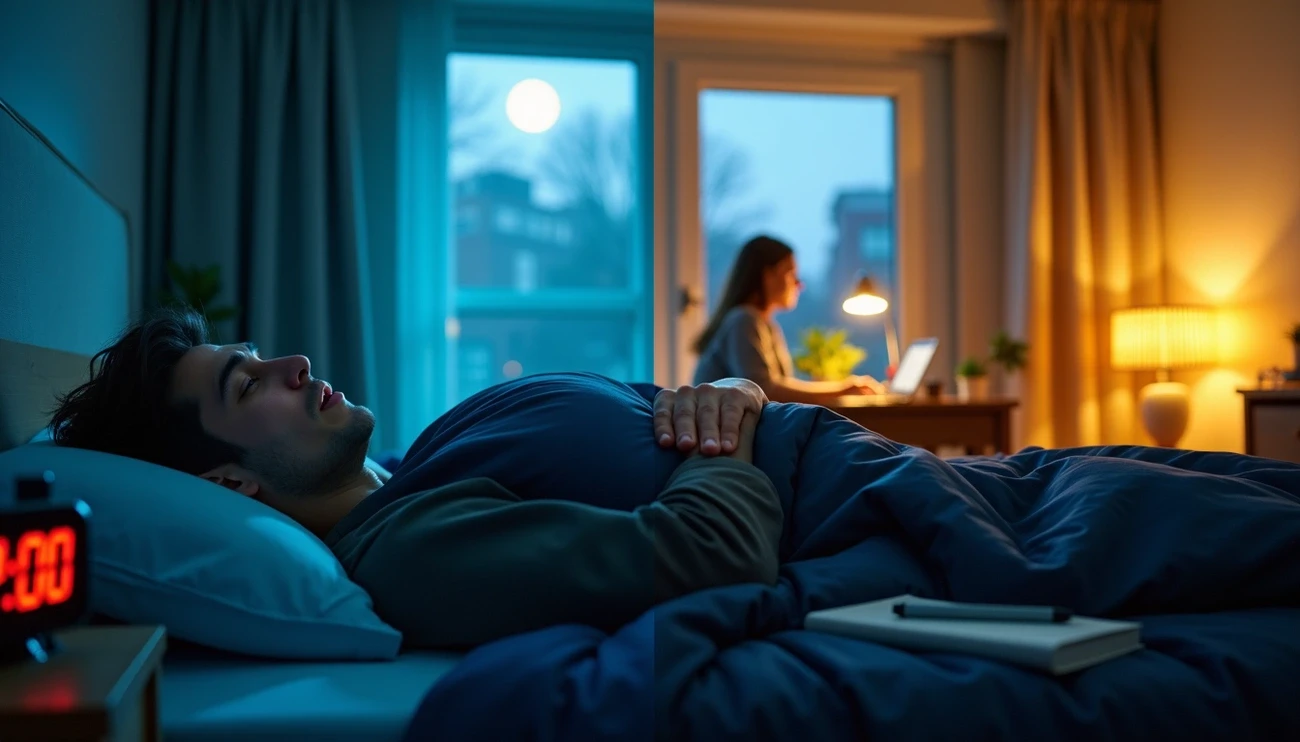
Your clients handle daily stressors with remarkable skill. They apply coping strategies, process emotions, and maintain stability throughout their waking hours. Yet when darkness arrives, anxiety takes control—why does nighttime feel so different?
Research reveals a striking pattern: people fall asleep in half the time when using structured worry protocols like scheduled worry time or evening journaling [12]. This finding points to something crucial that many therapists miss. Nighttime anxiety operates under entirely different rules than daytime anxiety.
Sleep deprivation creates a cascade of mental health challenges. People who experience inadequate sleep report higher levels of stress and anxiety [18]. The relationship works both ways—insufficient sleep directly increases anxiety the following day [18]. Your clients find themselves trapped in a relentless pattern where anxiety disrupts sleep, and poor sleep amplifies anxiety, affecting both nighttime rest and daytime performance [19].
The symptoms tell their own story. Racing heartbeat, rapid thoughts, shallow breathing, and restlessness emerge just as they would during daytime panic episodes [19]. Without daytime distractions competing for attention, the mind processes worries more intensively [19]. Stress hormones like cortisol can spike between 2-4 AM, particularly in clients dealing with chronic stress, trauma, or existing anxiety disorders [19].
Standard cognitive-behavioral techniques often fail during these nighttime episodes. This article presents two specific approaches that work with your client's biology rather than against it: circadian rhythm architecture and the "Worry Delay" protocol. These frameworks address both the biological timing systems and cognitive patterns that fuel nocturnal anxiety.
Understanding why nighttime anxiety requires different treatment opens the door to more effective interventions. Your clients deserve tools that actually work when anxiety strikes in the dark.
Why Nighttime Anxiety Is a Distinct Circadian Disorder
Nighttime anxiety operates under different biological rules than daytime anxiety. Rather than simply extending daytime stress into evening hours, nocturnal anxiety stems from disrupted circadian biology. Circadian rhythm disruptions appear consistently across psychiatric conditions including anxiety disorders, major depression, and bipolar disorder [4]. This pattern reveals a fundamental neurobiological connection.
Circadian-phase-specific arousal and cognitive processing
The human circadian system controls far more than sleep timing. Every 24-hour cycle involves coordinated physiological and cognitive processes that rise and fall predictably. Evening chronotypes—people who naturally prefer later daily activities—show elevated anxiety symptoms during their preferred evening hours [5]. These individuals face higher risk for severe psychiatric symptoms [4].
This creates an interesting paradox. People experience heightened anxiety precisely when they should feel most comfortable and alert. The timing isn't coincidental—it reflects deep neurobiological processes tied to circadian misalignment.
Core clock genes drive these rhythms through molecular feedback loops that coordinate body-wide timing [18]. Genetic variations in these clock genes directly link to mood disorders [18]. This establishes a biological foundation for circadian-based anxiety that goes beyond personal preference or habits.
Why anxiety spikes during pre-sleep and early morning hours
Sleep pressure accumulates throughout the day, gradually reducing alertness signals that keep people awake. This natural decline affects brain function, specifically impairing emotional regulation capabilities [2].
Evening hours also strip away external distractions that occupy the mind during daylight. Dr. Jeffrey Strawn, director of the Anxiety Disorders Research Program at the University of Cincinnati College of Medicine, describes this as creating "a perfect setup for runaway anxiety, ruminative thinking about 'what if' and 'what about,' and replaying the prior day" [2].
Anxiety and sleep create a bidirectional relationship. Sleep problems commonly accompany anxiety disorders [6]. Worried individuals ruminate in bed while anxiety simultaneously prevents sleep onset, creating self-perpetuating cycles [6].
Poor sleep nights predict increased anxiety the following day, with effects strongest in morning hours before gradually diminishing [20]. This suggests immediate impacts on emotional experience that require time to recover.
The failure of daytime CBT tools at night
Cognitive-behavioral therapy techniques lose effectiveness during nighttime episodes due to altered brain function. Complex cognitive work simply doesn't suit nighttime neurophysiology—evening hours aren't designed for problem-solving or worry resolution [21].
The prefrontal cortex, which handles logical thinking and emotional regulation, functions differently during pre-sleep periods. Meanwhile, the amygdala—the brain's threat detection center—maintains high activity levels.
Cognitive processes that focus on sleep often worsen insomnia over time [22]. Three specific patterns predict sleep problems: safety behaviors, physical arousal, and excessive worry [22]. Standard CBT approaches at night frequently trigger these problematic processes.
Evidence supports passive approaches to sleep rather than active problem-solving. Reducing sleep effort paradoxically improves sleep quality [21]. Good sleepers rarely strategize about sleep or spend time analyzing their rest patterns. Mental hyperarousal from nighttime anxiety disrupts these natural sleep processes [6].
Building Circadian Rhythm Architecture Beyond Basic Sleep Hygiene
Most therapists recommend removing sleep disruptors—avoid caffeine, establish earlier bedtimes, limit screen time. These suggestions help, but they miss the bigger picture. Truly effective nighttime anxiety treatment requires rebuilding the fundamental timing systems that anxiety has disrupted.
Sleep hygiene focuses on what not to do. Circadian rhythm architecture focuses on precisely what to do, when to do it, and how to do it.
Morning Light: Your Client's Biological Reset Button
Morning light serves as the master switch for human circadian rhythms, resetting the internal clock that governs sleep, hormones, and body temperature [9]. This intervention surpasses all others for circadian alignment.
Your clients need specific instructions:
• Get outside within 30 minutes of waking • Spend 30-45 minutes in direct sunlight [10] • Remove sunglasses and hats that filter light • Skip windows and glass—direct exposure works best
This light exposure triggers cortisol production, maintaining daytime alertness [11]. More importantly, it starts the biological timer for nighttime melatonin release [11]. Research shows that properly timed bright light exposure combined with afternoon melatonin creates phase advance shifts of approximately 2.5 hours in just three days [12].
Amber Light Protocols for Melatonin Protection
Evening screen light mimics sunlight wavelengths, tricking the brain into suppressing melatonin. This suppression happens fast—within 5-15 minutes of blue light exposure [13].
Amber-tinted glasses provide the solution. Studies published in the Journal of Psychiatric Research found that wearing blue-blocking glasses for two hours before bedtime helped insomniacs sleep 30 minutes longer than those using clear lenses [14]. These glasses filter the specific blue wavelengths (450-480 nm) that most powerfully suppress melatonin [15].
Have your clients wear these glasses 2-3 hours before their target bedtime. This approach works with modern life rather than against it.
Temperature Strategy: Heat Then Cool
Body temperature regulation drives successful sleep onset. Your ability to lower core temperature directly links to melatonin production [1].
The optimal sleep environment maintains 65°F (18.3°C) for adults under 65 [1]. At this temperature, the body reduces core temperature quickly, shortening sleep onset time [1].
The most effective approach uses thermal contrast: • Warm bath 1-2 hours before bedtime • Sleep in a cool room
This combination creates what researchers call "a very powerful stimulus for melatonin production" [16]. The initial warmth dilates blood vessels, then rapid cooling in the bedroom environment signals sleep readiness.
Hormone Timing with Medical Support
Cortisol and melatonin operate as opposing forces. Cortisol peaks 30-60 minutes after waking then gradually declines. Melatonin rises around 7 p.m., peaks near midnight, and drops by morning [17].
For clients with severely disrupted rhythms, timed supplementation may help. Research indicates 0.5 mg of melatonin taken 5 hours before baseline bedtime—then one hour earlier each day—can effectively advance circadian rhythms [12].
Always work with a physician before recommending supplements. Incorrect timing can worsen circadian disruption rather than improve it.
Success with circadian architecture requires precision. The timing, intensity, and quality of these interventions matter more than simply checking boxes on a sleep hygiene list.
The 'Worry Delay' Protocol for Nighttime Anxiety
The 'Worry Delay' Protocol provides your clients with a practical approach designed specifically for nighttime brain function. Rather than fighting against anxious thoughts at bedtime, this method acknowledges that postponing worry processing often works better than immediate problem-solving during vulnerable nighttime hours.
Step 1: Cognitive acknowledgment and delay instruction
Teach your clients a simple response pattern for nighttime worries. When anxious thoughts surface at bedtime, they acknowledge the worry without attempting immediate solutions. Research shows that trying specifically not to think about something often backfires, causing more intrusive thoughts [18].
Guide clients to use this internal statement: "I notice I'm worrying about [topic]. I'll think about this during my worry time tomorrow at [specific time]." This approach creates a commitment to address concerns during appropriate hours. The worry gets acknowledged without engagement, postponed without dismissal.
Step 2: Using the bedside 'Anxiety Notepad'
After acknowledging the worry, clients immediately write it down using a dedicated bedside notebook. This step proves crucial—writing about what's on one's mind can significantly decrease sleep onset latency [19]. Research demonstrates that participants who wrote to-do lists at bedtime fell asleep faster than those who journaled about completed activities, with more specific writing leading to quicker sleep onset [19].
The protocol includes these requirements:
Keep a small notebook and pen beside the bed
Write brief keywords about the worry (avoid detailed descriptions)
Include just enough information to remember the concern tomorrow
Return immediately to sleep-focused activities
This process helps "offload" mental burdens. Incomplete tasks maintain high cognitive activation, creating automatic thoughts about unfinished business [19]. Writing them down reduces this mental activation.
Step 3: Daytime review ritual in full light
Clients must honor their nighttime promise by reviewing worry notes during a scheduled 15-20 minute "worry time" [4]. This review requires specific conditions:
Bright, natural light exposure
At least 5 hours before bedtime
Uncomfortable setting (never the bed or bedroom)
Full cognitive resources available
During review, clients categorize each worry as "actionable" (within their control) or "hypothetical" (outside their control) [5]. Actionable worries need specific plans shared with supportive people for accountability [18]. Hypothetical worries require acceptance techniques rather than problem-solving attempts.
The neurological foundation
This protocol succeeds because it aligns with brain function patterns. The prefrontal cortex shows reduced activity at night while the amygdala remains active, making nighttime unsuitable for complex problem-solving. Research indicates that medial prefrontal cortex (mPFC) activation is higher for immediate compared to delayed rewards [2], explaining why postponement feels difficult despite greater effectiveness.
Shifting worry processing to daytime hours allows clients to use optimal brain states for problem-solving. The approach also uses state-dependent memory principles—information retrieves better in the same state where it was encoded. Writing worries at night but processing them during daylight breaks the nocturnal anxiety cycle.
Your clients gain immediate relief while preserving their cognitive resources for when they can actually address their concerns effectively.
Why Standard CBT Tools Fail at 2 AM
Standard cognitive-behavioral techniques collapse at 2 AM. Your anxious clients feel frustrated and helpless when their reliable daytime coping strategies simply stop working. This breakdown stems from neurobiological realities, not poor technique or lack of effort.
Prefrontal cortex offline, amygdala dominant
Your client's brain operates differently at night. The prefrontal cortex—responsible for logical thinking and emotional regulation—undergoes significant deactivation during pre-sleep periods and nighttime awakenings [6]. This represents normal sleep physiology, yet it creates the perfect storm for anxiety.
The dorsolateral prefrontal cortex (DLPFC) controls self-observation, planning, and decision-making abilities. Studies show this critical brain region experiences marked deactivation during sleep [20]. Self-conscious awareness dims. Executive functions weaken. These changes happen naturally as we transition from wakefulness to sleep.
Meanwhile, the amygdala—your client's threat-detection center—stays vigilant. Sleep deprivation and disruption specifically amplify amygdala responsivity to negative emotional stimuli [21]. Threat signals ring loudly while the cognitive resources needed to evaluate and regulate these signals are substantially reduced.
This neurological imbalance explains why your clients can't "think their way out" of nighttime anxiety. The thinking brain is simply offline.
Why deep breathing alone is not enough
Deep breathing exercises often backfire during nighttime anxiety episodes. This surprises many therapists, but the science is clear: instructing anxious clients to "take a deep breath" can actually worsen symptoms [22].
Anxiety attacks involve hyperventilation—too much oxygen relative to carbon dioxide levels [22]. Additional deep breaths, especially rapid ones, further decrease CO2 levels. This can trigger dizziness and heightened panic, exactly the opposite of what you're trying to achieve.
Breathing interventions at night require careful sequencing:
Start with grounding techniques to stabilize cognitive processes
Introduce slow (not deep) breathing with extended exhales
Gradually lengthen the exhale to activate the parasympathetic nervous system
The goal is regulation, not activation.
Cognitive restructuring vs. behavioral delay
Cognitive restructuring fails during nighttime episodes because it demands prefrontal cortex engagement. This brain region shows significant underarousal during elevated anxiety and sleep-related problems [23].
Behavioral interventions that postpone cognitive work prove more effective. Research shows that dysfunctional thoughts about sleep create behaviors that make sleep more difficult [24]. This cycle requires strategies that don't depend on complex cognitive processing.
The "Worry Delay" protocol works because it doesn't require unavailable prefrontal resources. Rather than evaluating and restructuring thoughts in the moment, this approach temporarily externalizes concerns through simple recording methods. Analysis waits until daytime when cognitive resources are fully available.
Effective nighttime interventions must work with your client's natural nocturnal neurophysiology. Behavioral strategies outperform cognitive strategies during these vulnerable circadian phases.
Building Daily Routines That Support Circadian and Cognitive Health
Effective nighttime anxiety management happens during daylight hours. Your clients need practical daily structures that support both their biological rhythms and cognitive patterns. Research shows that consistent daily habits supporting circadian alignment produce substantially better outcomes than reactive nighttime interventions alone.
Morning Light and Movement Routines
Start with the fundamentals. Instruct your clients to get outside for at least 30 minutes after waking up [8]. This morning light exposure resets their circadian clock, improving sleep quality while reducing anxiety. Remove sunglasses during this time to maximize light reception through the eyes.
Physical activity timing matters for circadian rhythm regulation. Research reveals that morning exercise produces phase advances in circadian rhythms [25], particularly beneficial for clients with delayed sleep phases or evening chronotypes. Both morning and evening exercise can advance circadian phase in people with late chronotypes [25], offering implementation flexibility.
Establish a consistent wake time—even on weekends—as this consistency reinforces healthy circadian entrainment [26].
Evening Wind-Down Rituals With No Cognitive Load
Evening routines must progressively decrease cognitive and physical activation. The 3-2-1 Wind-Down Rule [27] provides clear structure:
3 hours before bed: Stop working and mentally demanding activities
2 hours before bed: Turn off all electronic screens
1 hour before bed: No heavy meals or stimulants
Emphasize non-digital alternatives such as reading physical books, gentle stretching, or listening to calming music [28]. These activities promote relaxed awareness without sleep-disrupting blue light from screens.
For screen-dependent clients, amber-tinted glasses filter sleep-disrupting blue light wavelengths [29]. Aim for dim, warm lighting throughout evening hours to preserve natural melatonin production.
Creating a 'No Problem-Solving' Sleep Zone
The bedroom environment significantly impacts sleep quality and anxiety levels. Clients should maintain cool bedroom temperatures between 60-67°F (16-19°C) [27] and ensure the room remains dark and quiet [8].
The critical concept: cognitive boundaries. The bedroom must become a mental sanctuary where problem-solving is prohibited. Reinforce that nighttime is physiologically unsuitable for complex thought processing due to prefrontal cortex deactivation.
Upon entering their bedroom, clients must mentally "check" worries at the door. When anxious thoughts emerge, they implement the Worry Delay Protocol rather than attempting to solve problems in bed. Trying to suppress thoughts only strengthens them—clients should externalize concerns through brief note-taking then return to restful activities.
Consistent implementation of these integrated strategies reduces nighttime anxiety through improved circadian alignment and healthier cognitive-temporal boundaries.
When to Seek Professional Help for Nighttime Anxiety
Self-help strategies work well for many clients, but some situations require professional intervention. Recognizing these critical signs ensures your clients receive appropriate care when nighttime anxiety exceeds manageable levels.
Signs of circadian rhythm anxiety disorder
Sleep timing difficulties that persist beyond three months signal potential circadian rhythm disorders. Watch for clients who consistently struggle falling asleep, staying asleep, or wake earlier than desired [30]. These patterns often indicate deeper circadian disruption requiring specialized treatment.
Circadian rhythm irregularities frequently trigger mood disorders including depression, anxiety, and bipolar disorder [31]. The connection between sleep timing and mental health runs deeper than many therapists realize.
Elderly clients deserve particular attention. Nighttime anxiety affects up to 20% of older adults, yet often goes unrecognized [7]. Physical symptoms like heart palpitations, rapid breathing, and digestive issues that intensify after dark warrant immediate evaluation [7].
When panic attacks or sleep disruption persist
Nocturnal panic attacks represent a clear indication for professional help. Research shows that 20-45% of people with panic disorder experience regular nighttime panic episodes [32]. These attacks disrupt sleep cycles and prove especially challenging to manage without clinical support.
Sleep disruption itself becomes a health concern when it persists. Chronic sleep loss increases risk for anxiety, depression, hypertension, heart disease, and diabetes [33]. Recommend professional consultation when anxiety interferes with sleep most nights, limits daily functioning, or causes significant distress despite several weeks of consistent self-help efforts [7].
Therapies that support circadian and cognitive alignment
Cognitive Behavioral Therapy for Insomnia (CBT-I) helps nearly everyone with sleep problems, including those with underlying medical or mental health conditions [33]. Light therapy provides another effective approach for modifying circadian patterns [3] through structured morning exposure protocols.
Professional treatment options include:
Tasimelteon for non-24-hour sleep-wake disorders [3]
Combined cognitive, behavioral, and circadian interventions [34]
Medically supervised sleep timing protocols [3]
Anxiety-related insomnia rarely improves without proper treatment [33]. Collaborate with physicians to rule out medical causes before implementing psychological interventions. This partnership ensures your clients receive the most appropriate care for their specific situation.
Conclusion
Nighttime anxiety operates as a distinct circadian disorder that demands specialized treatment approaches. The neurobiological reality is clear: reduced prefrontal cortex activity combined with heightened amygdala responsiveness creates conditions where standard cognitive strategies fail.
The frameworks outlined in this article—circadian rhythm architecture and the "Worry Delay" protocol—address both biological timing systems and cognitive patterns that fuel nocturnal anxiety. These approaches work with your clients' natural neurophysiology rather than against it. Many therapists report noticeable improvements in client sleep quality and anxiety reduction within 2-3 weeks of consistent implementation.
Circadian rhythm architecture provides precise interventions beyond basic sleep hygiene. Strategic light exposure, temperature regulation, and hormonal alignment create the physiological foundation needed for anxiety reduction. This systematic approach rebuilds disrupted biological timing systems that anxious clients desperately need.
The "Worry Delay" protocol offers a cognitive framework designed specifically for nighttime brain function. Rather than attempting cognitive restructuring when prefrontal resources are unavailable, this approach acknowledges neurological limitations while providing meaningful intervention. Clients gain immediate relief by postponing problem-solving until their brains can effectively handle complex tasks.
Success requires consistency and precision in timing. Light exposure schedules, amber light curfews, and thermal strategies must follow specific parameters to reset circadian rhythms effectively. The cognitive components need to become habitual practices, not occasional interventions during crisis moments.
Progress takes time. Set realistic expectations with your clients about improvement timelines. Most people experience gradual changes over several weeks as circadian systems realign and new cognitive habits strengthen.
Individual differences matter. Consider your client's natural chronotype before implementing these protocols. Night owls and early birds may need slightly different timing strategies while following the same overall framework.
These evidence-based approaches respect both circadian biology and cognitive limitations, giving you powerful tools to help clients break free from nocturnal anxiety cycles. Your clients can move from dreading bedtime to approaching sleep with calm confidence.
Ready to help your clients reclaim peaceful nights? Yung Sidekick offers advanced session analysis and progress tracking tools that support your therapeutic work. Our AI-powered platform captures session insights while maintaining full HIPAA compliance, allowing you to focus completely on your clients' breakthroughs. Start your free trial today and see how technology can enhance your anxiety treatment protocols.
Transform your practice with Yung Sidekick's intelligent documentation system. Generate detailed progress notes, track treatment outcomes, and gain valuable insights into your clients' therapeutic journey—all while saving hours of administrative time each week. Discover how Yung Sidekick can elevate your clinical work.
Key Takeaways
Understanding nighttime anxiety as a distinct circadian disorder—not just daytime anxiety that happens at night—is crucial for effective treatment and long-term recovery.
• Nighttime anxiety is a circadian disorder requiring specialized treatment beyond standard daytime CBT techniques • Morning light exposure within 30 minutes of waking resets your biological clock and reduces evening anxiety • The "Worry Delay" protocol works by postponing problem-solving to daytime when your brain can actually handle it • Standard cognitive restructuring fails at night because your prefrontal cortex goes offline while anxiety centers stay active • Create amber light curfews 2-3 hours before bed to preserve natural melatonin production and sleep quality • Seek professional help when panic attacks persist or sleep disruption continues despite consistent self-help efforts
The key insight is working with your brain's natural nighttime limitations rather than fighting against them. By rebuilding circadian rhythm architecture through precise light timing and implementing cognitive strategies designed for nighttime neurophysiology, you can break the cycle of nocturnal anxiety and reclaim peaceful sleep.
FAQs
How does nighttime anxiety differ from daytime anxiety?
Nighttime anxiety is a distinct circadian disorder, not just an extension of daytime stress. It's characterized by heightened amygdala activity and reduced prefrontal cortex function, making traditional coping strategies less effective at night.
What is the "Worry Delay" protocol and how does it help with nighttime anxiety?
The "Worry Delay" protocol is a cognitive framework designed for nighttime neurophysiology. It involves acknowledging worries, briefly noting them down, and postponing problem-solving until daytime when the brain is better equipped to handle complex thinking.
How can light exposure help manage nighttime anxiety?
Getting bright light exposure within 30 minutes of waking helps reset your circadian clock, improving sleep quality and reducing evening anxiety. Conversely, implementing an amber light curfew 2-3 hours before bed preserves natural melatonin production.
Why don't standard CBT techniques work well for nighttime anxiety?
Standard CBT techniques often fail at night because the prefrontal cortex, responsible for logical thinking and emotional regulation, is less active during nighttime hours. Meanwhile, the amygdala, which processes emotions and threats, remains highly active.
When should someone seek professional help for nighttime anxiety?
Professional help should be sought if nighttime anxiety persists for several months, causes frequent sleep disruptions, leads to panic attacks, or significantly impacts daily functioning despite consistent attempts at self-help strategies.
References
[1] - https://therapyinanutshell.com/how-to-deal-with-anxiety-at-night-2-essential-skills/
[2] - https://www.sleepfoundation.org/mental-health/anxiety-at-night
[3] - https://blog.ochsner.org/articles/understanding-nighttime-anxiety-3-strategies-to-calm-anxiety/
[4] - https://www.rochesterregional.org/hub/nighttime-anxiety
[5] - https://axismh.com/middle-of-the-night-anxiety-the-4-3-2-1-protocol-to-fall-back-asleep/
[6] - https://pmc.ncbi.nlm.nih.gov/articles/PMC10146651/
[7] - https://www.sciencedirect.com/science/article/pii/S0165178124002919
[8] - https://journals.plos.org/plosone/article?id=10.1371/journal.pone.0181375
[9] - https://time.com/7203404/why-is-anxiety-worse-at-night/
[10] - https://www.sleepfoundation.org/mental-health/anxiety-and-sleep
[11] - https://pmc.ncbi.nlm.nih.gov/articles/PMC6250589/
[12] - https://www.mytherapistonline.co.uk/blog-notlinked/2019/3/15/best-cbt-tips-for-overcoming-night-time-anxiety
[13] - https://www.frontiersin.org/journals/psychology/articles/10.3389/fpsyg.2021.677538/full
[14] - https://www.sciencedirect.com/science/article/pii/S0048969724073698
[15] - https://www.verywellhealth.com/morning-sunlight-exposure-3973908
[16] - https://www.elcaminohealth.org/stay-healthy/blog/sunlight-screen-light-resyncing-your-circadian-rhythm
[17] - https://pmc.ncbi.nlm.nih.gov/articles/PMC4344919/
[18] - https://pmc.ncbi.nlm.nih.gov/articles/PMC9210564/
[19] - https://www.aoa.org/news/clinical-eye-care/health-and-wellness/amber-tinted-lenses-and-blue-light
[20] - https://www.sciencedirect.com/science/article/abs/pii/S0022395617308592
[21] - https://www.empowersleep.com/articles/the-role-of-temperature-in-regulating-sleep-and-circadian-rhythms
[22] - https://www.webmd.com/sleep-disorders/features/cant-sleep-adjust-the-temperature
[23] - https://nirvanahealthcare.com/cortisol-melatonin-sleep-cycle/
[24] - https://www.shu.ac.uk/-/media/home/wellbeing/files/the-worry-time-technique.pdf
[25] - https://pmc.ncbi.nlm.nih.gov/articles/PMC5758411/
[26] - https://www.hollyphd.com/blog/why-you-should-schedule-your-worry-time-the-strategy-for-stress-reduction
[27] - https://www.talkwithwayfinder.com/skills/worry-postponement
[28] - https://pmc.ncbi.nlm.nih.gov/articles/PMC4624839/
[29] - https://pubmed.ncbi.nlm.nih.gov/12457899/
[30] - https://www.sciencedirect.com/science/article/pii/S1364661302019927
[31] - https://pmc.ncbi.nlm.nih.gov/articles/PMC3747835/
[32] - https://www.psychologytoday.com/us/blog/this-emotional-mind/202111/when-take-a-deep-breath-can-be-bad-advice
[33] - https://www.sciencedirect.com/science/article/abs/pii/S0887618515300372
[34] - https://www.sleepfoundation.org/insomnia/treatment/cognitive-behavioral-therapy-insomnia
[35] - https://www.health.harvard.edu/mind-and-mood/tips-for-beating-anxiety-to-get-a-better-nights-sleep
[36] - https://pmc.ncbi.nlm.nih.gov/articles/PMC7098792/
[37] - https://www.nhs.uk/every-mind-matters/mental-wellbeing-tips/how-to-fall-asleep-faster-and-sleep-better/
[38] - https://wellnessroadpsychology.com/how-to-reduce-night-time-anxiety/
[39] - https://lifestyle.sustainability-directory.com/learn/what-non-digital-evening-routines-can-effectively-replace-screen-time-for-relaxation/
[40] - https://goayo.com/blogs/news/how-to-achieve-optimal-circadian-health-23-practical-tips
[41] - https://my.clevelandclinic.org/health/diseases/12115-circadian-rhythm-disorders
[42] - https://www.health.harvard.edu/blog/why-your-sleep-and-wake-cycles-affect-your-mood-2020051319792
[43] - https://therapygroupdc.com/therapist-dc-blog/why-anxiety-gets-worse-at-night-as-we-age-and-what-helps/
[44] - https://www.healthline.com/health/anxiety/anxiety-at-night
[45] - https://www.mayoclinic.org/diseases-conditions/insomnia/in-depth/insomnia-treatment/art-20046677
[46] - https://emedicine.medscape.com/article/1188944-treatment
[47] - https://www.sciencedirect.com/science/article/pii/S2451902223000708
If you’re ready to spend less time on documentation and more on therapy, get started with a free trial today
Not medical advice. For informational use only.
Outline
More articles