Painting Powerlines, Creating Lifelines: An Art-Based Group for Youth Suicide Prevention


Mar 17, 2026
Traditional talk therapy often fails adolescents experiencing suicidal thoughts. These young people struggle to express their deepest fears through words alone, leaving clinicians searching for alternatives that actually connect.
Art and narrative therapy fills this critical gap. Research demonstrates that creative expression engages at-risk teens more effectively than conventional therapeutic approaches [35]. When adolescents receive paintbrushes instead of questionnaires, metaphors instead of direct questioning, they begin to open pathways that verbal therapy cannot access.
Programs like Tangka Marnirninthi prove this approach works. This evidence-based intervention combines art-making with narrative techniques, creating lifelines for vulnerable youth through culturally informed methods that reduce stigma and build genuine connection.
Youth experiencing suicidal ideation flourish in collaborative creative spaces. They discover voice, identity, and hope through artistic expression that bypasses the barriers traditional therapy creates. This article examines how clinicians can implement these group therapy approaches, drawing from successful models that save lives through creativity rather than conversation alone.
What Is Tangka Marnirninthi?
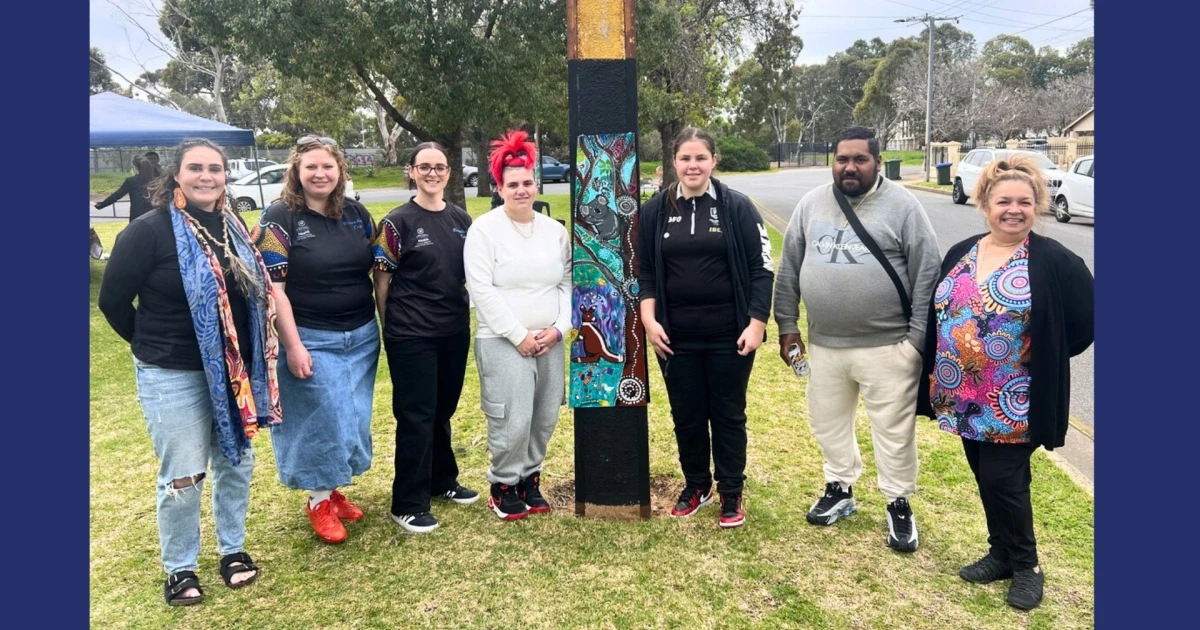
Image Source: Central Adelaide Local Health Network
Origins and Meaning: A Kaurna-Language Foundation
"Getting a positive attitude" - that's what Tangka Marnirninthi means in Kaurna language. This program operates within Western Community Mental Health Services in Adelaide, Australia [5], serving a dual purpose that goes far beyond clinical intervention. The name itself honors the traditional custodians of the Adelaide Plains while building a strengths-based foundation for youth mental health.
Cultural grounding matters. For participants who find mainstream clinical services disconnected from their lived experience, this Indigenous language foundation provides immediate relevance. The Kaurna people originally inhabited the Adelaide region, and incorporating their language creates more than symbolic gesture - it establishes what both participants and staff recognize as genuine cultural safety [5].
Young people experiencing thoughts that life isn't worth living need different approaches than traditional western-style therapy can provide. Nurse Practitioner Vanessa Browne explains how the program reaches vulnerable youth in ways that conventional talk therapy, group counseling, or standard clinical interventions often miss entirely [5]. The difference lies in cultural connection combined with creative expression.
Recognition came in 2024 when the team earned first place in the CALHN Reconciliation Cup for sharing Aboriginal culture with staff, consumers, and the broader Woodville community [6]. This achievement demonstrates how Tangka Marnirninthi extends its impact beyond individual sessions into community-wide cultural engagement and representation.
Structure and Participants: Building a Safe Space
Eight young people typically participate at any given time [5]. This specific number creates intimate connection while maintaining enough diverse perspectives to enrich collaborative work. Some attend a few sessions. Others continue for over a year. This flexibility recognizes a crucial reality: recovery from suicidal ideation follows no standard timeline.
Youth Coordinator Pamela Ghebretensae guides the art-making process while helping participants recognize their own strength and connection to others [5]. The facilitation team combines culturally informed youth clinicians with professionals who bring both clinical expertise and lived cultural knowledge. Together, they create what participants describe as healing and empowering space - where humor and art address the most difficult conversations about suicide and mental health.
The program serves young people struggling with thoughts that life isn't worth living [5]. These participants often come from backgrounds where traditional therapeutic approaches feel foreign, stigmatizing, or ineffective. The group provides an alternative entry point into mental health support without requiring verbal fluency or comfort with clinical language.
The Art-Making Process: Collaboration and Individual Expression
Weekly sessions include both shared artworks and individual pieces [5]. This dual approach allows participants to contribute to something larger while maintaining space for personal expression. "Everyone starts to see how their small contribution becomes part of a larger story," Youth Coordinator Pamela Ghebretensae explains [5]. The collaborative nature creates visible reminders that participants never face their struggles alone.
Individual works carry different meanings for each artist. Some explore symbolic connections and culture. Others try new skills and techniques without therapeutic disclosure pressure [5]. One participant described the art-making as allowing "a true reflection on finding ourselves" rather than accepting conflicting reflections from others.
The most visible outcomes appear through Stobie pole artworks displayed throughout Woodville, a suburb of Adelaide [5] [6]. These distinctive South Australian electrical infrastructure poles transform into canvases for participant expression. Each artwork tells stories of culture, resilience, and youth voices in suicide prevention, mental health, and wellbeing [5]. The paintings spark conversations about origins, individual and shared histories, and personal meanings [5].
These public installations accomplish multiple goals. They beautify neighborhoods while generating dialog around mental health topics that typically remain hidden [1]. Each pole represents resilience, identity, and hope [1]. Creating public art shifts therapeutic work from private struggle to community contribution, allowing participants to express strength, culture, and connection in ways traditional therapy cannot match [1].
Dr. Paul Furst, Executive Director of Mental Health at CALHN, notes how the program helps young people feel safe, valued, and connected while building skills and strengths [5]. Participants develop lasting connections and support networks with peers and staff [5] - networks that extend beyond weekly sessions into sustained community belonging.
The Tree of Life: A Narrative Therapy Technique
Origins and Development: From Zimbabwe to Global Practice
Child psychologist Ncazelo Ncube-Mlilo created the Tree of Life technique during the HIV/AIDS epidemic in Southern Africa [35]. She faced a critical challenge: refugee children from non-Western backgrounds found mainstream therapeutic interventions ineffective due to language and cultural barriers [4]. These young people avoided treatment entirely, viewing Western therapeutic approaches as foreign and stigmatizing [4].
Ncube-Mlilo needed an approach that wouldn't re-traumatize bereaved, vulnerable children in life skills camps [1]. She collaborated with David Denborough from the Dulwich Center Foundation in Australia and the Regional Psychosocial Support Initiative to develop and document the methodology [6]. The original 2006 research outlined narrative approaches for vulnerable children in Southern Africa [6].
The technique gained traction worldwide. Studies across Greece, Zimbabwe, and the United Kingdom showed that participants could reflect on their experiences without being defined by trauma [8]. Tree of Life is now practiced across the United States, United Kingdom, Burma, Australia, Canada, Chile, Nepal, Nigeria, Kosovo, Sweden, Norway, South Africa, Russia, and numerous other countries [1].
The Metaphor Explained: Roots, Trunk, Branches, and Beyond
The Tree of Life uses familiar tree imagery to help individuals explore their strengths, relationships, culture, and personal history [8]. Each part serves specific therapeutic purposes:
Roots capture personal history and influences—hometown, culture, ancestry, and people who provided important life lessons [35] [6]. This component establishes identity foundations and honors cultural resources [1].
Ground represents current circumstances and weekly activities that participants choose freely rather than accept as imposed [6].
Trunk contains personal skills, values, and qualities that provide stability—problem-solving abilities, humor, persistence, and core characteristics that keep someone grounded [35] [1].
Branches reach toward hopes, dreams, and wishes spanning personal goals, community aspirations, immediate needs, and long-term visions [35][132]. This forward-looking element builds agency and possibility [1].
Leaves identify supportive people, including family, friends, pets, heroes, or historical figures who contributed meaningfully to their lives [6].
Fruits recognize gifts received or legacies shared—experiences of being cared for, loved, or receiving kindness [6].
Storms acknowledge difficulties and challenges that make growth harder, such as loss, discrimination, and illness [1]. This component contains hardship without allowing it to overshadow the entire narrative [36].
How Tangka Marnirninthi Uses Tree of Life
Youth Coordinator Pamela Ghebretensae describes the program's application: "Narrative therapy is a collaborative approach that helps people rewrite their life stories to overcome problems, and to view themselves as separate from their issues. The metaphor of a tree helped the group explore their individual journeys, from their roots, their growth, and even setbacks that were symbolized through fallen leaves."
The tree metaphor provides emotional safety while exploring identity [1]. Ncube-Mlilo explains that children establish "a safe territory of identity in which to stand before speaking about difficulties in their lives" [36]. This respectful framework allows participants to share experiences comfortably [4]. Creative expression combined with safe sharing spaces helps participants manage their emotions effectively [4].
Participants create individual trees and use metaphors to explore personal narratives [8]. The approach positions young people as experts on their own lives, creating environments where they feel heard and respected [8].
Research Support: Evidence from Multiple Contexts
A qualitative study involving five refugee women living with HIV found that Tree of Life addressed specific needs arising from forced migration combined with managing physical and psychological effects of the virus [4].
London-based forensic inpatient facilities reported benefits for both staff and patients [8]. Research on an inpatient treatment ward collected data from eight service-users and two facilitators, finding that the methodology built community connections that improved relationships both within and outside the group [8]. Participants rediscovered their identity, explored life experiences, and used these insights for recovery planning [8].
A Tree of Life evaluation for individuals with multiple sclerosis showed that 78.95 percent of participants achieved clinically reliable improvement on at least one outcome measure [2]. Depression and self-efficacy measures showed the most frequent improvements [2].
The Tavistock Center's Child and Family Refugee Service ran Tree of Life groups for parents and children in schools, responding to concerns about psychological treatments that focused primarily on vulnerability rather than strength in refugee populations [37]. Groups used strengths-based narrative methodology with tree metaphors, enabling families to develop empowering life stories rooted in their cultural and social histories [37]. Participants then created culturally appropriate solutions to their challenges [37].
Why Art-Based Approaches Work for Adolescents
Image Source: Undark Magazine
The Limits of Talk Therapy for Youth
Adolescents face significant challenges with conventional therapeutic approaches that adults take for granted. Words fail when young people experience intense physical or mental distress, making verbal expression nearly impossible [9]. This challenge intensifies for adolescents whose cognitive, social, or emotional development doesn't align with the complex demands of traditional cognitive-based therapies [10].
Children under 11 typically lack the abstract thinking capacity required to express meaningful words and understand complex emotional landscapes [11]. Generation Z encounters additional obstacles that previous generations never faced. These young people navigated crucial developmental stages during pandemic isolation, which disrupted their communication skills and increased dependence on screen-based interactions rather than face-to-face connection [12].
Short-form digital exchanges feel natural and comfortable. The emotional depth and raw vulnerability required in therapy settings feels foreign and intimidating [12]. When these adolescents enter traditional therapy, the formal process contrasts sharply with the fluid, rapid digital interactions that define their communication style [12].
Identity formation during adolescence creates another layer of complexity. Not every young person possesses the emotional vocabulary needed to articulate inner struggles with clarity [12]. For vulnerable youth experiencing suicidal ideation, this verbal barrier can completely block access to life-saving help.
Evidence for Creative Arts in Suicide Prevention
Research provides clear evidence for art-based interventions with at-risk youth. A comprehensive study examining more than six years of data from an Australian child and adolescent mental health hospital ward found a direct association between art therapy provision and reduced use of seclusion, physical restraint, and sedative injections [9]. Previous research at the same facility revealed that adolescents rated art therapy as the most helpful group intervention compared to talk-based therapy groups and other creative activities [9].
A Colombian community trial involving 1,252 adolescents, including 171 with suicide risk, compared three distinct approaches. Support groups incorporating poetry and creative writing showed greater recovery rates than craft-based groups or control groups receiving only clinical care [13]. The study concluded that artistic elements significantly increase the effectiveness of recovery strategies [13].
Systematic reviews confirm that creative arts play a documented role in suicide prevention and recovery [14]. Current research demonstrates that creative art-based interventions can measurably reduce suicidal ideation patterns in at-risk individuals [13].
Therapeutic Mechanisms: Expression, Distance, and Embodiment
Art therapy operates through distinct processes that sidestep the limitations of verbal exchange. This experiential treatment approach engages clients through sensory and emotional expression rather than relying primarily on verbal-cognitive processing [10]. Three core mechanisms explain its effectiveness:
Tactile engagement with art materials provides sensory experiences that transform implicit information into emotional understanding and expression when words fail [15]
Esthetic distance allows clients to explore emotional experiences while maintaining reflective perspective, preventing overwhelming emotional flooding [16]
Symbolic expression creates visual representations that open therapeutic conversations impossible through traditional talk therapy [17]
Artmaking bypasses psychological defense mechanisms such as dissociation, avoidance, or suppression of overwhelming content [15]. One young person accessing art therapy in an acute mental health service explained: "It is a way of sort of letting out your emotions in a way that doesn't involve being judged. It let me release a lot of stuff that was bottling up and stuff that I couldn't explain through words" [9].
Creative activities stimulate different brain regions than conversation-based therapy. This allows adolescents to access emotions through new pathways while removing pressure to verbalize everything they experience [17].
Play, Pleasure, and Identity Construction
Play serves as the primary communication code for young people [11]. Through this dynamic process, children discover the world, themselves, and others while broadening imagination and learning personal limits [11]. Play naturally diminishes anxieties, fears, and frustrations [11], creating organic learning processes and direct pathways for tension release [11].
Art therapy supports adolescents in exploring emotional regulation within secure environments, which helps mitigate psychosocial problems [10]. The process reduces therapeutic resistance by promoting autonomy, encouraging adolescents to actively build their identity [18]. Symbolic visual expression protects psychological strength since imagery content gets analyzed at the metaphorical level, which objectifies inner experiences and addresses issues more safely [18].
Adolescents immersed in artmaking express feelings verbally more effectively [18]. The creative process becomes a vehicle for self-exploration and reflection that reveals difficult incidents otherwise impossible to process [18].
Cultural Safety and Connection
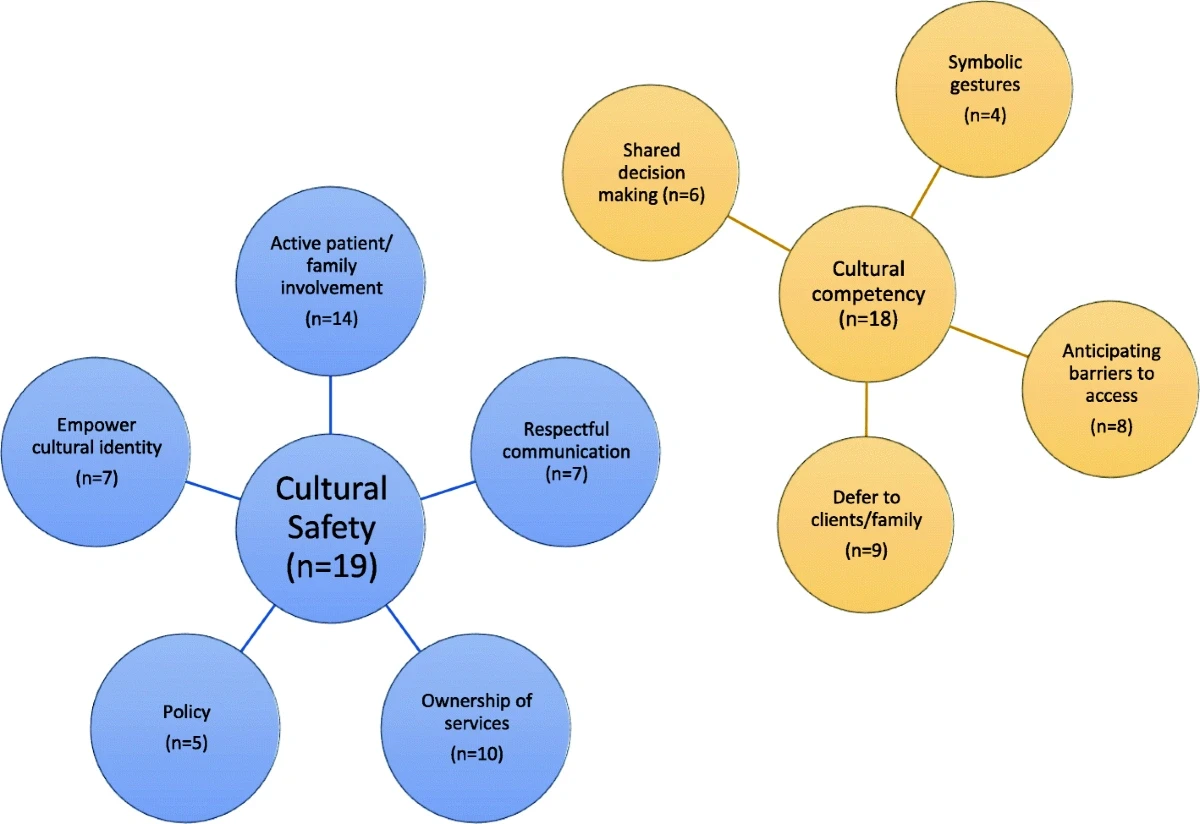
Image Source: Springer Nature
The Importance of Cultural Context in Group Therapy
Mental health services must address the reality that Indigenous peoples face racism and systemic discrimination when accessing healthcare. Cultural safety emerged in Canada as a direct response to these barriers [19]. This framework goes beyond cultural awareness or competence by integrating anti-racism and cultural humility [19].
Cultural safety recognizes that interpersonal and environmental interactions can trigger stress responses rooted in collective, intergenerational, and personal trauma [19]. This understanding becomes essential when working with vulnerable youth who may carry historical wounds alongside their individual struggles.
Indigenous peoples conceptualize health as a balance of physical, emotional, mental, and spiritual wellness [19]. This holistic view contrasts sharply with Western biomedical approaches that dominate most health research and programs [20]. The result perpetuates colonization's legacy and blocks Indigenous communities from accessing culturally grounded healing practices [20].
Identity formation for Indigenous children and youth depends on relationships with family, culture, community, and land [21]. Relational belonging builds through strong connections with family and community members. Cultural belonging strengthens individuals through ancestry, customs, language, land, and ceremonies. Physical belonging provides stability, connection, and safety [21].
Practitioners need cultural humility—ongoing self-reflection paired with other-person focus [22]. This means openness to learn and unlearn, seeking supervision when facing cultural dilemmas [23].

Addressing Disparities: First Nations Mental Health
The statistics paint a stark picture. Indigenous youth in North America experience higher rates of depression, anxiety, suicide, and substance use compared to White peers [24]. American Indian/Alaska Native adults were 11% more likely than U.S. adults overall to report mental illness in 2024 [7]. Yet these same adults were 17% less likely to receive mental health treatment [7].
Youth disparities prove even more severe. AI/AN high school students were 21% more likely than other students to attempt suicide in 2023 [7]. AI/AN people were 91% more likely to die by suicide than the general U.S. population in 2022 [7].
Indigenous youth face overrepresentation in juvenile detention and correctional facilities due to systemic neglect, trauma, and lack of early mental health intervention [3]. They are three times more likely to be incarcerated than white youth for similar offenses [3]. Nearly 70% of justice-involved Indigenous youth have diagnosable mental health disorders, including PTSD, depression, and substance use disorders stemming from intergenerational trauma, family instability, and cultural disconnection [3].
Programs grounded in Indigenous culture show measurable improvements. They reduce recidivism and enhance mental health outcomes for Native youth [3]. Culture heals. Connection heals [3].
Adapting the Tree of Life for Diverse Cultural Contexts
The Tree of Life technique adapts successfully across cultural contexts while maintaining its core narrative structure. Research with older Muslim women from diverse backgrounds found the program broke down language and cultural barriers, helping trauma survivors re-author their narratives to emphasize strength and resilience [25].
Cultural adaptation increases effectiveness through enhanced relevance [26]. This includes surface-level changes like matched language and images for acceptability, plus deep structural changes incorporating cultural values for maximum impact [26].
The coconut palm serves as a culturally specific adaptation for Torres Strait Island families. Roots represent Heritage, trunk represents Tradition, and growing leaves with maturing coconuts represent Culture [27]. This demonstrates how tree metaphors translate across cultures while honoring distinct meanings.
Culture and social context influence nearly every aspect of assessment and treatment [28]. Mental health treatments designed for specific cultural groups outperform generic treatments serving diverse populations [29]. A meta-analysis of 65 studies with 8,620 participants revealed a modest effect size (d = 0.46) favoring culturally-adapted treatments for clients of color over traditional procedures [29].
Enhancing Indigenous youth wellness requires culturally appropriate interventions, strength-based approaches, community Elder wisdom, and accessible wellness supports [20]. Non-Indigenous practitioners must understand and support cultural teachings and Indigenous knowledge to engage effectively in Indigenous worldview-grounded practice [21].
Tangka Marnirninthi in Action: Outcomes and Impact
Image Source: Central Adelaide Local Health Network
Tangible Results: The Stobie Pole Artworks
Stobie poles throughout Woodville now display participant artwork, creating conversations and community engagement [5]. These South Australian electrical infrastructure elements serve as public canvases where young people share stories of culture, resilience, and hope [5].
Each painted pole represents more than artistic expression. The artwork sparks dialog about participant backgrounds, shared histories, and cultural identity [5]. Community members stop to observe these installations, generating organic discussions about mental health and youth wellbeing.
One participant captured the program's impact: "We stand tall, we stay connected, and we keep growing" [5]. The poles become visible reminders of strength and community connection.
The Western Community Mental Health Team received first-place recognition in the CALHN Reconciliation Cup in 2024 for activities focused on sharing Aboriginal culture with staff, consumers, and the wider Woodville community [30]. This recognition reflects how participant artwork encourages community engagement, cultural representation, and consumer wellbeing [30].
What Participants Say: Recognizing Strength and Connection
Youth Coordinator Pamela Ghebretensae notes the art helps participants recognize their own strength and connection to others [5]. "Everyone starts to see how their small contribution becomes part of a larger story," she explains. "The result is a beautiful, collaborative piece of art and a reminder that we're never alone in what we're carrying" [5].
Nurse Practitioner Vanessa Browne observes that art and connection through Tangka Marnirninthi proves instrumental in recovery for vulnerable youth [5]. "Tangka Marnirninthi is a place where they feel seen, understood, and make those connections for recovery" [5].
Broader Impact: Skills, Relationships, and Community
Participants feel safe, valued, and connected while building practical skills and personal strengths [5]. The program creates lasting support networks between peers and staff that extend beyond weekly sessions [5]. Attendance flexibility accommodates individual needs—some attend briefly while others continue for over a year [5].
Research confirms these localized outcomes. Arts and cultural practices enhance mental health by promoting community connection, self-expression, and cultural identity [31]. These factors protect against mental health symptoms and discrimination-related distress [31].
Evidence demonstrates that arts interventions generate positive outcomes and improve quality of life while fostering connection [31]. Quality arts programs help young people build confidence and relationships essential for adult success [32].
Practical Implementation for Clinicians
Core Components of the Tangka Marnirninthi Model
Art-based suicide prevention groups need specific structural elements to succeed. Groups work best with around 8 participants - enough diversity for rich collaboration, small enough for genuine connection. Clinical expertise alone isn't sufficient. When working with Indigenous youth, your facilitation team must include practitioners with lived cultural experience.
Duration flexibility proves essential. Some participants benefit from a few sessions, others stay for a year or more. Recovery timelines don't follow standard schedules, so your program shouldn't either.
Adapting the Tree of Life for Your Practice
Start with clear purpose and informed consent. Frame the exercise as strengths-mapping, not trauma processing. Make it clear that participants control what they share. Provide basic materials - paper, markers, templates for those who feel less confident about drawing.
Create group agreements together. Essential elements include: share what feels right, listen without interrupting, respect confidentiality, practice kindness, remember there's no wrong way to create.
Honor cultural meanings. Ask participants about tree symbolism in their backgrounds. Stay strengths-focused. Only invite discussion of "storms" if participants choose to include them. Skip intrusive questions. Try variations like collages, clay work, or group murals based on what your participants prefer.
Working with Resistance or Disconnection
Adolescents stay suspicious of adult interpretation skills - and they should. Establish your neutrality early. You don't possess special powers to decode their art. The meaning belongs to them. Hold back your projections and let teens share what they want about their work.
Assessment happens through comparison across sessions. Notice changes in content and how participants describe their meaning. When direct questions shut teens down, the tree metaphor often opens pathways that words alone can't reach.
Documentation and Clinical Notes
The DRAWS framework organizes your documentation: Describe what you observe visually, Review the art-making process, provide Assessment from both perspectives, document Worthwhile additional events, and create a Summary connecting to treatment goals.
Progress notes track clinical status, interventions, and goal advancement. Keep psychotherapy notes separate for your private reflection. Sample documentation: "Participant engaged in Tree of Life art-making. Explored family heritage through root imagery and identified personal strengths in trunk design. Reported feeling 'connected' to group members. Session supported externalization of challenges while recognizing existing resilience."
Conclusion: Painting Powerlines, Creating Lifelines
Young people struggling with suicidal thoughts need more than words can offer. Art-based interventions provide the lifelines that traditional approaches miss.
The research speaks clearly. Creative expression paired with narrative techniques like Tree of Life builds genuine connection while reducing risk. Programs such as Tangka Marnirninthi prove how culturally grounded methods heal individuals and strengthen entire communities.
Your practice doesn't require advanced art skills or expensive supplies. Simple materials and safe space create the foundation. What transforms lives is your willingness to step beyond conventional methods and trust in each young person's capacity for creative expression.
These vulnerable youth possess remarkable strength. They need environments where their voices matter, their culture finds honor, and their stories gain power through artistic creation rather than clinical interrogation.
Art therapy provides exactly this opportunity. The evidence supports it. The outcomes prove it. The young people benefit from it.
Consider how these approaches might serve the adolescents in your care who struggle with words, resist traditional therapy, or need culturally responsive intervention. Their recovery may depend on receiving paintbrushes instead of questionnaires, metaphors instead of direct questions.
Start small. Choose one technique. Create space for expression without interpretation. Trust the process and watch as young people discover their own pathways to healing, connection, and hope.
Key Takeaways
Art-based group therapy offers a powerful alternative to traditional talk therapy for adolescents experiencing suicidal ideation, combining creative expression with narrative techniques to build resilience and connection.
• Art bypasses verbal barriers: Creative expression helps youth who struggle to articulate emotions through words alone, engaging different brain regions than traditional conversation-based therapy.
• Tree of Life technique builds identity: This narrative therapy method uses tree metaphors (roots, trunk, branches) to help participants explore strengths, culture, and aspirations while maintaining emotional safety.
• Cultural grounding enhances effectiveness: Programs like Tangka Marnirninthi demonstrate how incorporating Indigenous language and cultural practices creates safer, more relevant therapeutic spaces for diverse youth.
• Group collaboration reduces isolation: Shared art-making shows participants their individual contributions become part of larger stories, reinforcing that they're never alone in their struggles.
• Public art creates community impact: Displaying participant artwork (like Stobie pole paintings) transforms private therapeutic work into community contributions that spark dialog about mental health.
The key insight: When young people can't find words for their pain, paintbrushes and metaphors become bridges to healing, connection, and hope.
FAQs
What colors are commonly used to represent suicide prevention awareness?
Yellow and orange are the two predominant colors used globally for suicide prevention awareness. These colors were selected after reviewing ribbons and awareness symbols used worldwide, and they are often combined in ribbons to signify suicide prevention efforts.
What does the semicolon symbol mean in suicide prevention?
In suicide prevention, the semicolon represents a moment when a life could have ended, but the person chose to continue. It symbolizes battling through suicidal thoughts or behavior, serving as a reminder that the story isn't over and there's always a choice to keep going.
How does art therapy help adolescents who struggle with traditional talk therapy?
Art therapy engages different parts of the brain than conversation-based therapy, allowing young people to express emotions they can't easily put into words. Through creative activities like painting and drawing, adolescents can explore difficult feelings in a less intimidating way while maintaining emotional safety through symbolic expression.
What is the Tree of Life technique in narrative therapy?
The Tree of Life is a narrative therapy method that uses tree metaphors to help people explore their identity and strengths. Different parts of the tree represent various aspects of life: roots symbolize cultural background and history, the trunk represents personal values and skills, branches show hopes and dreams, and leaves identify supportive people in one's life.
Why is cultural safety important in mental health programs for Indigenous youth?
Cultural safety acknowledges the historical trauma and systemic discrimination that Indigenous peoples face when accessing healthcare. Programs that incorporate Indigenous language, cultural practices, and holistic wellness approaches create more relevant and effective therapeutic spaces, leading to better mental health outcomes and stronger connections to identity and community.
References
[1] - https://www.boiseimagine.com/mental-health-blog/15-effective-therapy-activities-for-teens/
[2] - https://www.calhn.sa.gov.au/news/powerful-youth-suicide-prevention
[3] - https://reconciliationsa.org.au/stories/hear-about-the-2024-calhn-reconciliation-cup
[4] - https://www.facebook.com/centraladlLHN/videos/heres-how-young-people-in-adelaide-are-using-art-to-speak-up-about-suicide-preve/889744136994335/
[5] - https://www.sprintproject.org/post/the-tree-of-life-a-therapeutic-strengths-based-activity
[6] - https://www.sciencedirect.com/science/article/abs/pii/S0197455619301704
[7] - https://pmc.ncbi.nlm.nih.gov/articles/PMC7900289/
[8] - https://dcf.wisconsin.gov/files/cwportal/permanency/pc/pdf/ffe-tree.pdf
[9] - https://dulwichcentre.com.au/the-tree-of-life/
[10] - https://link.springer.com/article/10.1007/s12144-026-09066-w
[11] - https://dralanjacobson.com/tree-of-life-therapy/
[12] - https://explore.bps.org.uk/content/bpshpu/28/1/4
[13] - https://www.unsw.edu.au/newsroom/news/2024/04/lost-words-research-shows-art-therapy-brings-benefits-mental-health
[14] - https://www.sciencedirect.com/science/article/abs/pii/S0190740925003883
[15] - https://pmc.ncbi.nlm.nih.gov/articles/PMC8812369/
[16] - https://emmagmusic.com/2024/10/17/why-therapy-isnt-working-for-my-teenager-exploring-alternatives-for-gen-z/
[17] - https://www.sciencedirect.com/science/article/abs/pii/S0197455620300216
[18] - https://www.tandfonline.com/doi/full/10.1080/17533015.2025.2523800
[19] - https://pmc.ncbi.nlm.nih.gov/articles/PMC11391909/
[20] - https://www.sciencedirect.com/science/article/abs/pii/S0197455624001151
[21] - https://www.ascendhc.com/teen-rehab-blog/the-benefits-of-art-therapy-for-teens-and-what-to-expect/
[22] - https://www.clinicalschizophrenia.net/articles/effect-of-art-therapy-on-adolescents-87472.html
[23] - https://cps.ca/en/documents/position/cultural-safety
[24] - https://pmc.ncbi.nlm.nih.gov/articles/PMC9422134/
[25] - https://ourchildrenourway.ca/wp-content/uploads/2022/09/Indigenous-Child-Youth-Mental-Wellness-Framework.3.pdf
[26] - https://thegrouppsychologist.org/gp_articles/cultural-humility-as-a-universal-group-norm/
[27] - https://welcometothecouch.com/blog/effective-strategies-for-culturally-appropriate-therapy
[28] - https://pubmed.ncbi.nlm.nih.gov/36178751/
[29] - https://minorityhealth.hhs.gov/mental-and-behavioral-health-american-indiansalaska-natives
[30] - https://www.tribalyouth.org/the-silent-crisis-facing-indigenous-youth-a-call-to-justice-and-healing/
[31] - https://journals.publishing.umich.edu/jmmh/article/id/491/
[32] - https://journals.sagepub.com/doi/10.1177/14713012231192360
[33] - https://pressbooks.pub/facilitationguideforsocialemotionallearning/chapter/tree-of-life/
[34] - https://www.cswe.org/centers-initiatives/center-for-diversity/diversity-justice-practice/cultural-adaptation-of-behavioral-interventions/
[35] - https://pmc.ncbi.nlm.nih.gov/articles/PMC3641707/
[36] - https://pmc.ncbi.nlm.nih.gov/articles/PMC10763059/
[37] - https://wallacefoundation.org/resource/article/cultivating-creativity-and-connection-through-youth-arts
If you’re ready to spend less time on documentation and more on therapy, get started with a free trial today
Not medical advice. For informational use only.
Outline
More articles