The Neurological Storm: A Psychotherapist's Guide to Supporting Clients with Migraine with Aura

Jan 29, 2026
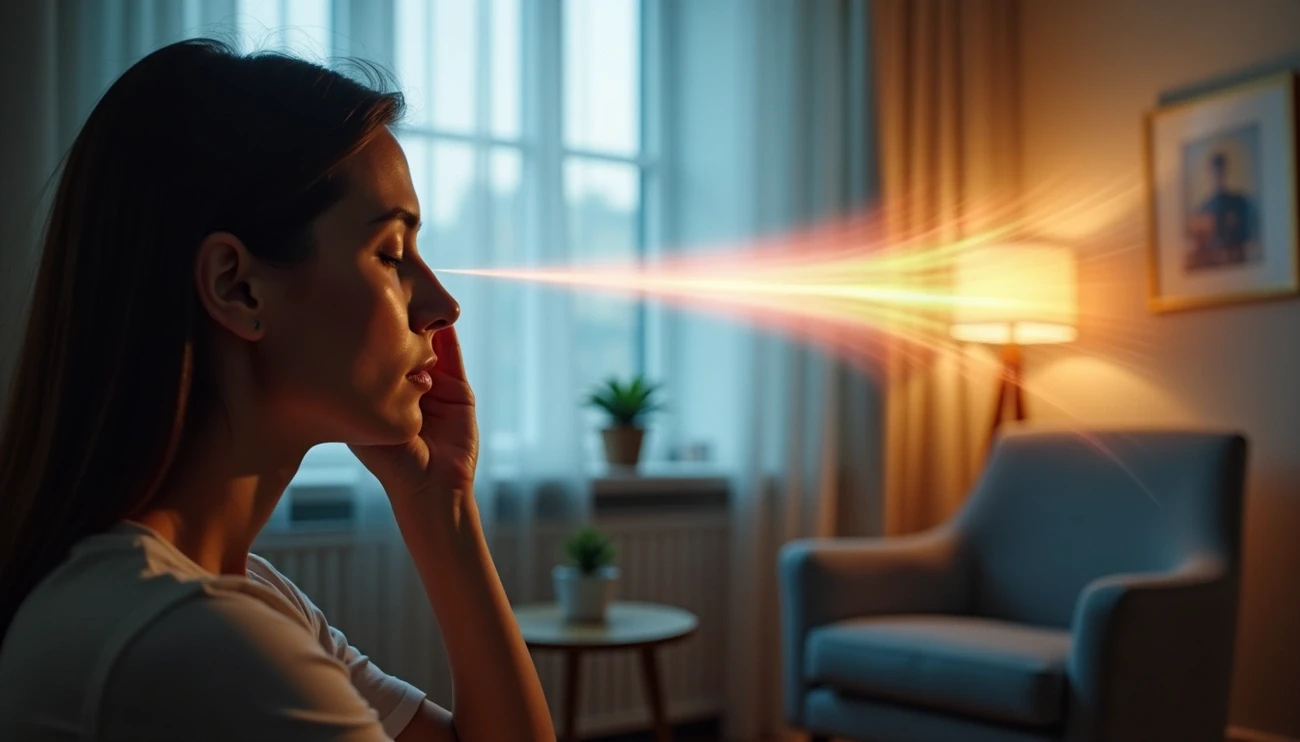
Your client sits across from you, describing something terrifying. A shimmering C-shaped light slowly eclipses their vision. Words on a page dissolve into static. Pins-and-needles numbness creeps up their arm. For 20 minutes, they wonder if it's a migraine or a stroke. Then the pain hits.
This is migraine with aura, classified under ICD-10 code G43.11. It extends far beyond a simple headache diagnosis. This neurological condition creates profound psychological effects that reshape your client's entire emotional landscape.
The ICD-10 code G43.1 falls under the broader G43 category within episodic and paroxysmal disorders1. Your role as a therapist isn't to treat the migraine itself. You address the psychological ecosystem it creates. Migraine with aura manifests in several forms, including acute-onset aura, prolonged aura, and migraine equivalents without headache2.
You help clients rebuild safety in their own bodies. You manage their anticipatory anxiety. You process the grief this condition imposes. All while coordinating care with their medical team.
This guide provides a framework for your practice. You'll learn to differentiate migraine aura from psychiatric symptoms. You'll understand its psychological impact. You'll develop effective therapeutic interventions for clients experiencing this complex neurological storm.
Differentiating Aura from Psychiatric Symptoms
Migraine Aura vs Panic Attack: Sensory vs Autonomic Onset
Accurate therapeutic intervention requires distinguishing between migraine with aura (G43.1) and panic attacks. The onset pattern tells the story. Migraine aura typically begins with sensory disturbances – visual phenomena like spots, jagged lines, or "heat waves" appearing in one or both eyes before the headache phase3. Panic attacks follow a different path, manifesting through autonomic arousal – palpitations, shortness of breath, sweating, and overwhelming fear.
These conditions share significant connections. Women with migraine with aura are 6.4 times more likely to experience panic attacks than those without3. Some patients develop "panic migraine" – experiencing typical panic symptoms at the peak of their migraine attacks4. This overlap stems from shared serotonergic dysregulation underlying both conditions3.
Migraine Aura vs Dissociation: Neurological vs Perceptual
Migraine aura and dissociative experiences present another diagnostic challenge. Aura stems from cortical spreading depression (CSD) – a wave of electrically excitable neurons and surrounding cells depolarizing, followed by suppressed neural activity5. This neurological process creates concrete, often stereotyped symptoms including visual disturbances, numbness, or speech difficulties.
Dissociative symptoms appear more frequently in chronic than episodic migraine patients6, yet differ fundamentally. Studies show dissociative symptoms correlate with depression and anxiety findings, specifically linking to osmophobia in both migraine groups6. Somatoform dissociation scores were significantly higher in individuals with chronic versus episodic migraine (27 vs. 22)7. This connection works both ways – migraine can trigger dissociation through interoceptive abnormalities, while dissociation also contributes to migraine chronification7.
When to Refer: Red Flags That Require Neurological Evaluation
Certain presentations require immediate neurological referral rather than therapeutic intervention. Urgent evaluation is needed when clients report:
First-time migraine aura symptoms, especially after age 40
Aura lasting longer than one hour (typical auras last 5-60 minutes)5
Sudden-onset headache described as "explosive" or "violent" pain
New neurological symptoms like speech difficulties, limb weakness/numbness, or coordination changes8
Visual aura without the typical "slow march" progression characteristic of migraine5
Collaborating with neurologists becomes essential when symptoms interfere with daily functioning or when clients experience diagnostic uncertainty8. Document your scope clearly: "Client under care of neurologist for G43.1. Treatment focusing on psychological sequelae with ongoing coordination of care."
Understanding the Psychological Impact of Migraine with Aura
Migraine with aura (G43.1) creates psychological effects that extend far beyond physical symptoms. The neurological disruption sends ripple effects throughout your client's psyche, requiring specialized therapeutic approaches that address these deeper emotional wounds.
Post-Aura Trauma and Fear of the Brain
Your clients often develop what researchers call "neurophobia" - an intense fear of their own neurological functioning. This fear makes complete sense given their experience. Emerging research shows that migraine with aura can occasionally trigger transient psychotic-like symptoms such as perceptual distortions, hallucinations, and even paranoia9. These disturbing experiences stem from dopaminergic dysregulation temporarily affecting higher-order cognitive and perceptual processing9.
These episodes create a unique form of trauma centered on bodily betrayal. The threat comes from within their own nervous system. Traditional safety-building exercises become challenging because clients cannot simply avoid the perceived threat source.
This trauma shows up in how clients relate to their bodies between attacks. They constantly "listen" to their brain, scanning for subtle warnings of another neurological storm brewing. This hyperawareness frequently grows into broader health anxiety about stroke or seizures.
Anticipatory Anxiety and Trigger Hypervigilance
Many clients develop significant anticipatory anxiety between attacks - persistent dread about when the next migraine will strike. Studies reveal that 80% of migraine with aura patients identify specific trigger factors10, leading to intense vigilance around these potential catalysts. This constant state of alarm becomes exhausting.
Clients report "constantly scanning for signs and trying to detect patterns" in an impossible quest to predict their next attack11. This hypervigilance creates a "fear-pain cycle" where anxiety itself amplifies migraine symptoms - research found that 38.3% of headache sufferers reported anxiety made their symptoms more intense11.
Common triggers that fuel this hypervigilance include stress (particularly following stress periods), bright light, intense emotional experiences, and sleep disruptions10. Seasonal changes can trigger attacks in nearly half of individuals who experience aura12. This unpredictability creates what Dr. Alexandra Kutnick describes as "the looming threat of when the next one will arrive"11.
Grief and Identity Loss in Chronic Migraine
The most profound impact may be the existential grief that accompanies chronic migraine with aura. Your clients aren't simply grieving lost time. They're mourning their former selves. This grief manifests through multiple losses:
Profound life disruption: "In some ways, the last decade of my life feels unlived, like I skipped from my early 20s to mid-30s without experiencing everything I expected"13
Career impact: Many clients report "losing my highly skilled job because of being 'unreliable'"14
Relationship erosion: "Not having a normal life with friends and family. People in your life never stay long because you are always canceling plans"14
This grief follows recognizable stages. Clients often report bargaining ("fixated on anything that could make our illness and pain go away") and anger ("anger at what we cannot 'fix,' what we cannot do, and the help we cannot get")15. Eventually, many reach acceptance - not liking their condition, yet acknowledging it as part of their story15.
Recognizing that 87% of migraine patients believe their mental health would significantly improve with better migraine control16 underscores the importance of collaborative care while addressing these psychological dimensions through targeted therapeutic interventions.
Therapeutic Framework for Interictal Work
The interictal period—the time between migraine attacks—provides a crucial window for therapeutic intervention. 33% to 55% improvement occurs when behavioral therapy is adopted in migraine17. A structured approach during this phase yields significant benefits for clients with migraine with aura.
Psychoeducation on Cortical Spreading Depression
Demystifying the neurological basis of aura reduces client fear. Cortical spreading depression (CSD), widely accepted as the electrophysiological mechanism of migraine aura18, involves a slowly propagating wave of near-complete depolarization of neurons and glial cells19. This process causes extracellular potassium and glutamate levels to rise dramatically as water enters cells, causing them to swell19. The drastic depolarization releases noxious molecules that ultimately trigger pro-inflammatory peptides, inducing vasodilation and pain18.
Explain this process simply. Help clients understand their experience as a predictable neurological event with a clear beginning and end. This knowledge reduces the terror associated with aura symptoms.
Mapping Prodrome and Aura Patterns with Clients
Systematic tracking of the migraine cycle empowers clients with predictive awareness. Approximately 77% of patients experience prodromal symptoms 24 to 48 hours before headache onset20. Common prodrome symptoms include fatigue (50%), neck pain (42%), sensitivity to sound (34%), and dizziness (28%)21.
Guide clients to document these early warning signs alongside their specific aura presentation. Visual auras typically begin as a small area of vision loss or bright lines in the visual field that expand to involve a quadrant or hemifield of vision20. Sensory auras often present as tingling localized to a limb or face, typically following the visual disturbance20.
This documentation creates a personalized pattern recognition system, allowing for earlier intervention and greater control.
Creating a Sensory Grounding Protocol for Aura Phase
The most important intervention during an aura is helping clients stay calm22. Develop a concrete emergency response kit with clients:
Cold packs applied to the neck
Breathwork techniques focusing on slow, rhythmic breathing
Audio anchors—specific calming sounds or music tracks
Light management through filtering glasses or green light exposure
Tactile grounding using weighted blankets or specific textures22
These physiological interventions create agency during what otherwise feels like complete neurological chaos.
Cognitive Reframing of Aura as a Benign Event
Cognitive reframing addresses catastrophic interpretations of aura symptoms. Help clients recognize that aura symptoms are fully reversible and don't cause lasting damage23. Shift their perspective from viewing aura as dangerous to seeing it as a temporary, predictable neurological event—essentially, a strange sensory experience that will pass.
This cognitive shift reduces secondary anxiety that often compounds the migraine experience. CBT approaches targeting catastrophizing demonstrate large effects on reducing migraine-related disability24.
Lifestyle Stabilization to Support Neural Resilience
Building neural resilience between attacks becomes vital. The SEED framework offers a structured approach:
Sleep: Maintain consistent sleep schedules to stabilize neural functioning
Exercise: Engage in 30-50 minutes of moderate-intensity aerobic activity 3-5 times weekly25
Eat: Consume regular small meals high in protein, fiber, and healthy fats to maintain blood sugar stability26
Diary: Use a "stoplight" calendar to track migraine patterns, triggers, and interventions26
Practice stress management techniques daily, as stress remains the most commonly cited migraine trigger24. The goal isn't eliminating migraines completely but creating a stable neurophysiological environment that raises the threshold for attacks.
CBT and Somatic Tools for Migraine-Related Anxiety
Cognitive Behavioral Therapy (CBT) stands as the gold standard treatment for chronic pain conditions, with substantial evidence supporting its efficacy in reducing migraine pain and disability27. Your clients with migraine with aura (G43.1) need targeted interventions that address both catastrophic thinking patterns and somatic responses.

CBT for Health Anxiety and Catastrophic Thinking
Catastrophizing plays a crucial role in migraine-related anxiety. This exaggerated negative mental set during pain involves feelings of helplessness, magnification of negative aspects, and inability to disengage from pain-related thoughts27. Catastrophizing leads to greater long-term disability and emotional distress among migraine sufferers.
Effective CBT teaches clients to recognize automatic thoughts associated with migraine symptoms. They learn to understand how these thoughts impact pain and mood. Most importantly, they develop strategies for reframing maladaptive thoughts27.
Help clients shift from thoughts like "I can't function with a headache" to more adaptive alternatives28. This cognitive restructuring reduces the secondary suffering that amplifies their migraine experience.
Behavioral Experiments to Reduce Body Scanning
Constant vigilance and body scanning create a "continuous little vigilance" that sends danger signals to the brain29. Your clients become trapped in this hypervigilant state, actually increasing their sensitivity to normal bodily sensations.
Behavioral experiments teach clients to:
Notice when thoughts slip from realistic concerns into unlikely scenarios
Regain control over aspects they can influence
Face fears directly rather than avoiding them30
These experiments break the cycle where hypervigilance about potential symptoms becomes the problem itself.
Somatic Tools: Cold Packs, Breathwork, and Audio Anchors
Practical somatic interventions provide immediate relief while reinforcing agency. Scientifically supported tools include:
Paced breathing exercises that activate the parasympathetic "rest and digest" system31
Cold packs applied to the neck during attacks32
Audio anchors including specific sound healing frequencies33
Diaphragmatic breathing focusing on slow, regular breaths31
Combining these somatic techniques with CBT produces optimal results. As Dr. Dawn C. Buse notes, "These are ancient human coping skills"31 that show remarkable efficacy in contemporary clinical settings.
Your clients gain concrete tools they can use immediately. This sense of agency becomes crucial when they feel powerless against their neurological symptoms.
Collaborating with Neurologists and Medical Teams
Success with migraine with aura clients requires coordinated care between mental health professionals and medical specialists. Clear communication channels become essential for optimal client outcomes.
Sample Scripts for Therapist-Neurologist Communication
Structure your initial contact with neurologists professionally. Try this approach: "I'm working with [client name] on migraine-related anxiety. With their consent, I'd like to share observations about psychological patterns that might influence treatment outcomes." Medical teams appreciate this collaborative perspective. Studies show patients experience better outcomes with integrated care34.
Ongoing updates work best with structured formats. Consider: "Since implementing cognitive strategies for catastrophizing, [client] reports using rescue medication less frequently. How might this affect your treatment recommendations?"
Understanding Medication Effects on Mood and Anxiety
Newer CGRP-targeting migraine therapies typically cause fewer anxiety-like side effects than older medications35. Certain treatments like fremanezumab (Ajovy) may simultaneously improve mood35.
Your role involves monitoring how medications interact with psychological interventions. Help clients distinguish between medication side effects and anxiety symptoms. This clarity supports both your therapeutic work and their medical treatment.
Addressing Medication-Overuse Headache Concerns
Medication overuse headache affects over 60 million people globally36. It commonly occurs with chronic migraine. Patients with psychiatric comorbidities face particular vulnerability to medication overuse through avoidance learning35.
Your therapeutic contribution includes helping clients implement Mindfulness-Based Stress Reduction. Teach them alternatives to preemptive medication use when experiencing prodromal symptoms.
Documenting Medical Clearance and Scope of Practice
Documentation must clearly establish neurological evaluation has occurred prior to psychological intervention. Maintain appropriate boundaries with statements like: "Client under care of neurologist for G43.1. Treatment focusing on psychological sequelae with ongoing coordination of care."
This protects both your practice scope and ensures comprehensive client care.
Conclusion
Migraine with aura creates a complex psychological ecosystem that extends far beyond neurological symptoms. This condition (G43.1) affects clients through profound trauma, anxiety, and grief that reshape their entire lives.
Your first critical task involves differentiating migraine aura from psychiatric symptoms. The sensory nature of aura contrasts sharply with autonomic arousal of panic attacks. Its neurological basis distinguishes it from dissociative experiences. This differentiation, coupled with appropriate medical referrals, ensures clients receive care addressing both neurological and psychological dimensions.
The psychological impact runs deep. Clients develop neurophobia—a rational fear of their brain's unpredictability. They experience anticipatory anxiety between attacks. Most profoundly, many grieve their former identities and capabilities, mourning opportunities lost to unpredictable neurological storms.
Effective therapeutic work during interictal periods creates significant improvements. Psychoeducation about cortical spreading depression demystifies the frightening aura experience. Mapping prodromal patterns provides predictability. Sensory grounding protocols offer concrete tools during attacks. Cognitive reframing helps clients view auras as temporary, non-dangerous events rather than catastrophic emergencies.
CBT specifically tailored for migraine-related anxiety addresses catastrophic thinking patterns that amplify suffering. Behavioral experiments reduce hypervigilance and body scanning. Somatic interventions like cold packs and breathwork provide immediate relief during attacks.
Successful treatment requires collaboration with neurologists and medical teams. Clear communication about psychological observations, understanding medication effects, and addressing medication overuse concerns create an integrated treatment approach that benefits clients.
Your role working with migraine with aura clients goes beyond conventional therapy. You become both guide and witness—helping clients rebuild safety in their bodies, manage anticipatory anxiety, and process grief while coordinating with medical providers. Though you cannot eliminate their migraine condition, you can change how clients experience and respond to it, ultimately improving their quality of life despite neurological storms.
The journey may be complex, but your expertise in managing the psychological dimensions of this condition provides hope and healing for clients navigating these challenging neurological events.
Key Takeaways
Understanding migraine with aura (G43.1) requires recognizing its profound psychological impact beyond physical symptoms, enabling therapists to provide comprehensive support for clients navigating this complex neurological condition.
• Distinguish aura from psychiatric symptoms: Migraine aura begins with sensory disturbances (visual phenomena, numbness), while panic attacks start with autonomic arousal (palpitations, sweating).
• Address the psychological trauma: Clients develop "neurophobia" - rational fear of their brain's unpredictability, requiring specialized trauma-informed approaches for bodily betrayal.
• Implement interictal therapeutic work: Use psychoeducation about cortical spreading depression, pattern mapping, and sensory grounding protocols to build client agency between attacks.
• Apply targeted CBT interventions: Focus on catastrophic thinking patterns and body scanning behaviors while incorporating somatic tools like cold packs and breathwork.
• Collaborate with medical teams: Maintain clear communication with neurologists, document appropriate scope of practice, and coordinate care for optimal client outcomes.
The therapeutic goal isn't eliminating migraines but transforming how clients experience and respond to them, ultimately improving quality of life despite ongoing neurological challenges.
FAQs
Q1. What is the difference between migraine with aura and a panic attack? Migraine with aura typically begins with sensory disturbances like visual phenomena, while panic attacks start with autonomic arousal symptoms such as palpitations and sweating. Migraine aura follows a more predictable pattern, whereas panic attacks often feel more sudden and intense.
Q2. How can a therapist help someone cope with migraine-related anxiety? A therapist can use Cognitive Behavioral Therapy (CBT) to address catastrophic thinking patterns, teach relaxation techniques, and help develop coping strategies. They can also work on reducing hypervigilance and body scanning behaviors, while incorporating somatic tools like breathwork and cold packs for immediate relief.
Q3. What are some common psychological impacts of living with migraine with aura? People with migraine with aura often experience "neurophobia" (fear of their brain's unpredictability), anticipatory anxiety between attacks, and grief over lost opportunities and lifestyle changes. These psychological impacts can significantly affect quality of life and require specialized therapeutic approaches.
Q4. How can tracking migraine patterns help in managing the condition? Tracking migraine patterns, including prodromal symptoms and specific aura presentations, can help individuals recognize early warning signs. This awareness allows for earlier intervention and can provide a greater sense of control, potentially reducing the anxiety associated with unpredictable attacks.
Q5. What role does lifestyle play in managing migraine with aura? Lifestyle factors play a crucial role in managing migraine with aura. Maintaining consistent sleep schedules, engaging in regular moderate exercise, eating a balanced diet, and practicing stress management techniques can help stabilize neural functioning and potentially reduce the frequency or severity of attacks.
References
[1] - https://ecgwaves.com/icd-code/g43-1-migraine-with-aura-icd-10-code-in-g40-g47-episodic-and-paroxysmal-disorders/
[2] - http://purl.bioontology.org/ontology/ICD10CM/G43.1
[3] - https://psychiatryonline.org/doi/10.1176/pn.38.24.0018a
[4] - https://pubmed.ncbi.nlm.nih.gov/10570728/
[5] - https://migrainepal.com/migraine-with-aura/
[6] - https://pubmed.ncbi.nlm.nih.gov/32295514/
[7] - https://www.frontiersin.org/journals/neurology/articles/10.3389/fneur.2025.1643260/full
[8] - https://www.texasneurospecialists.com/blog/1397126-when-to-see-a-neurologist-for-chronic-migraine-symptoms/
[9] - https://www.frontiersin.org/journals/neurology/articles/10.3389/fneur.2025.1577146/full
[10] - https://pubmed.ncbi.nlm.nih.gov/19614703/
[11] - https://www.bezzymigraine.com/discover/mental-well-being-mig/health-the-panic-before-your-migraine-how-to-cope-with-anticipatory-anxiety/
[12] - https://www.theraspecs.com/blog/common-migraine-aura-triggers/?srsltid=AfmBOoq-ACdxabhnbvvTDWj4vW0wK3O8gqvnBFwxS44lGw8cj_IE-z62
[13] - https://migraine.com/blog/coming-to-terms-with-the-losses-of-chronic-migraine
[14] - https://www.migraineagain.com/accepting-migraine/
[15] - https://www.psychologytoday.com/us/blog/so-much-more-than-a-headache/202212/grieving-with-migraines-and-other-chronic-illnesses
[16] - https://americanmigrainefoundation.org/resource-library/the-relationship-between-migraine-and-mental-health/
[17] - https://pmc.ncbi.nlm.nih.gov/articles/PMC11555010/
[18] - https://www.frontiersin.org/journals/neurology/articles/10.3389/fneur.2018.00019/full
[19] - https://www.sciencedirect.com/topics/medicine-and-dentistry/cortical-spreading-depression
[20] - https://www.ncbi.nlm.nih.gov/books/NBK554611/
[21] - https://pmc.ncbi.nlm.nih.gov/articles/PMC11638031/
[22] - https://migrainemeanderings.com/blog/migraine-symptoms-the-aura-phase
[23] - https://goodlifechiropractic.com/headache-migraine-pain-hub/understanding-the-aura-phase-in-migraines/
[24] - https://pmc.ncbi.nlm.nih.gov/articles/PMC8074639/
[25] - https://pmc.ncbi.nlm.nih.gov/articles/PMC8971279/
[26] - https://americanmigrainefoundation.org/resource-library/lifestyle-changes-for-migraine/
[27] - https://pmc.ncbi.nlm.nih.gov/articles/PMC10513739/
[28] - https://lightonanxiety.com/cbt-treatment/managing-chronic-migraines-how-cbt-sheds-light-on-relief/
[29] - https://migrainecanada.org/re-training-your-brain-strategies-to-reduce-migraine-symptoms/
[30] - https://www.migraineagain.com/migraine-catastrophizing-thoughts-amplifying-pain/
[31] - https://americanmigrainefoundation.org/resource-library/breathing-exercises-for-migraine/
[32] - https://migrainebuddy.com/migraine-and-somatic-therapy-bodywork-for-relief/
[33] - https://insighttimer.com/mentalhealthhealingman/video-guided-meditations/174-hz-sound-healing-for-headaches-migraine-relief
[34] - https://aims.uw.edu/rmhii/sites/default/files/Scripts%20for%20BHCM.pdf
[35] - https://americanmigrainefoundation.org/resource-library/migraine-mental-health-connection-2024/
[36] - https://jamanetwork.com/journals/jamaneurology/fullarticle/2766518
If you’re ready to spend less time on documentation and more on therapy, get started with a free trial today
Not medical advice. For informational use only.
Outline
More articles